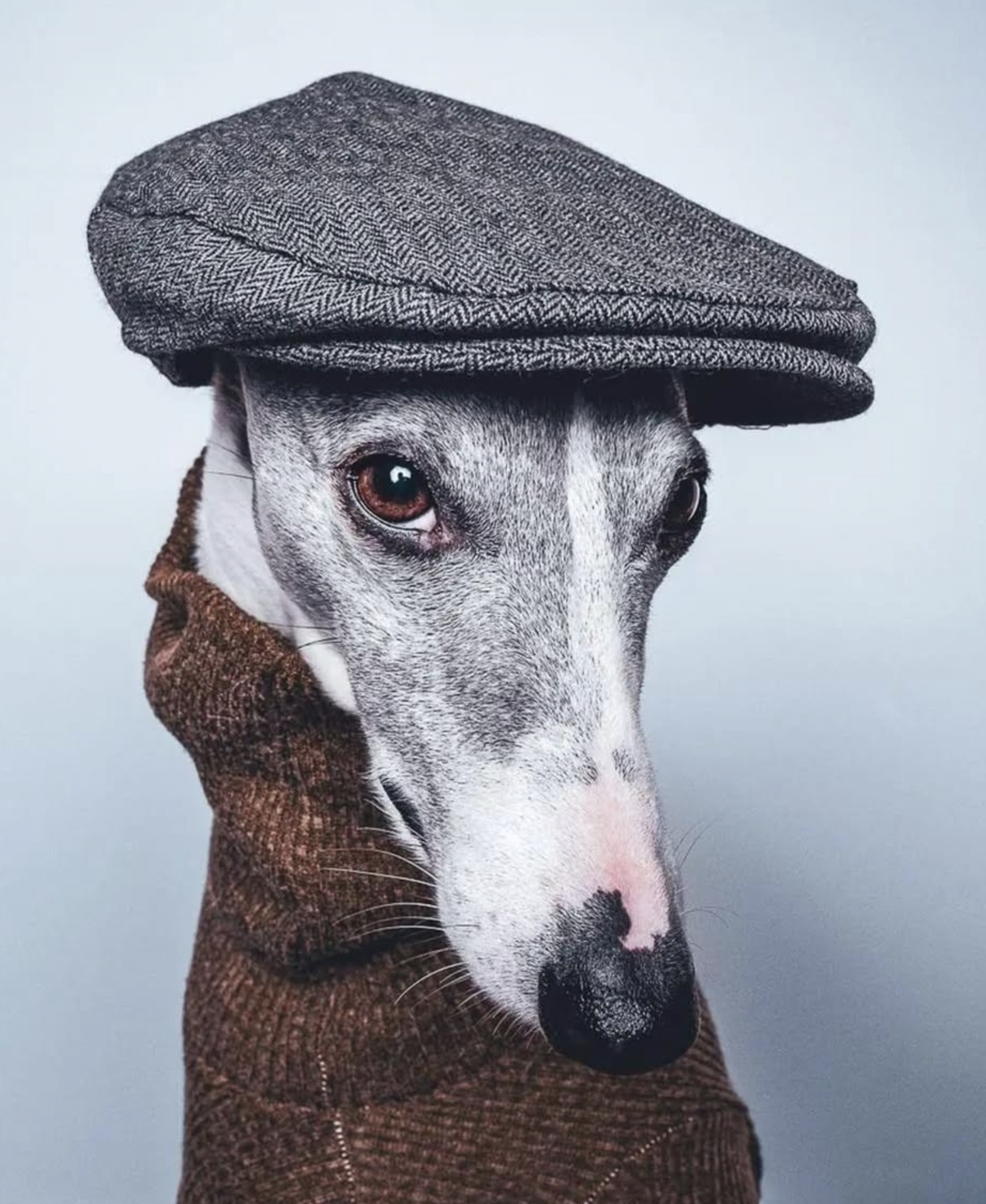
🐶❤️🐶 Bowie is a very fancy pup! 🐶❤️🐶
Here are some dog photos to brighten your day 😊.
Here’s your daily dose of doggy goodness!
Every day, we celebrate our shared love of dogs and hopefully brighten your day. Enjoy!
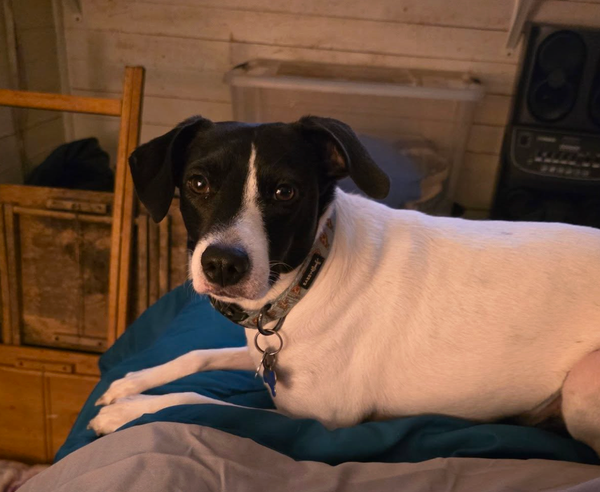
Dog of the Day: Daisy!
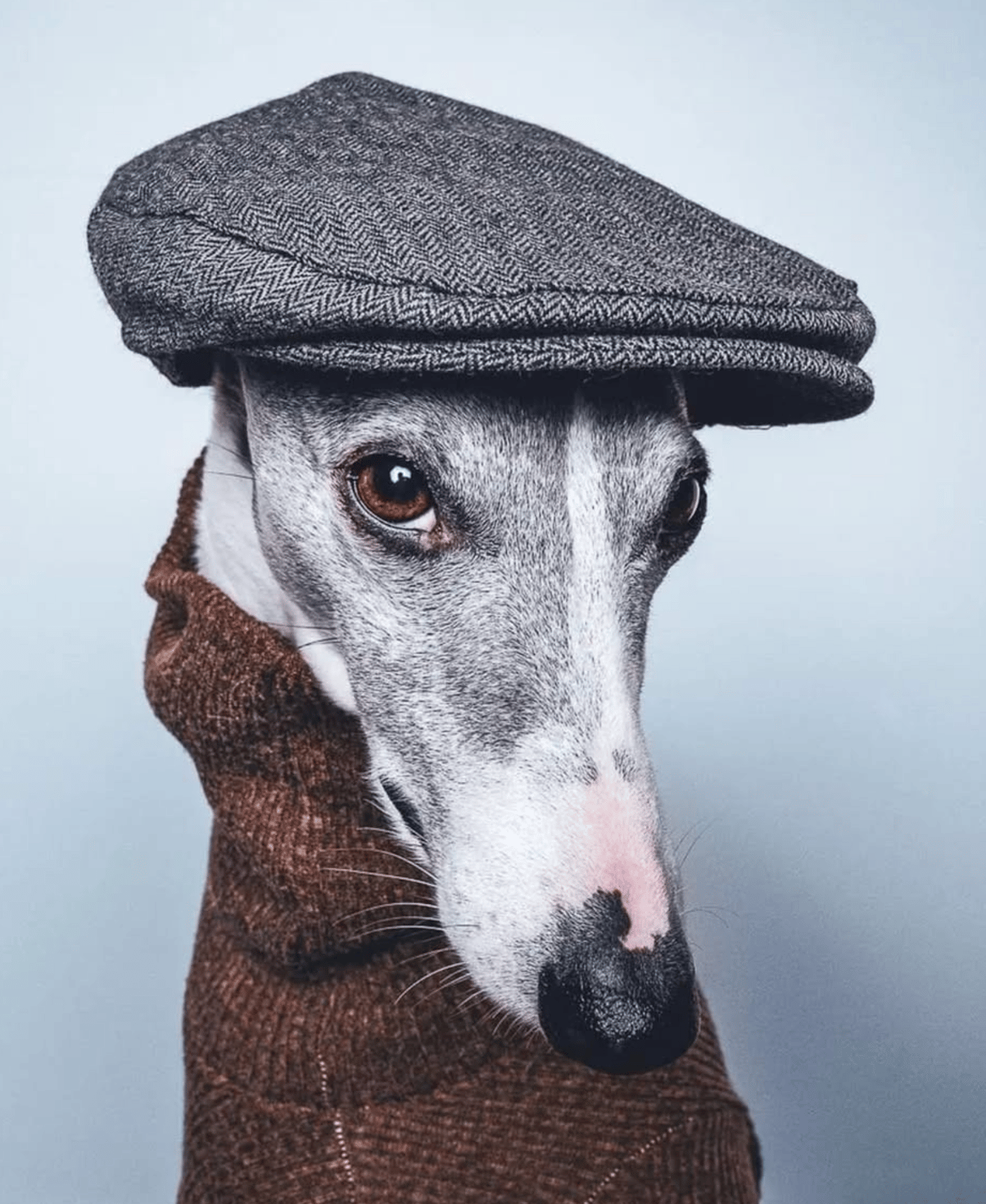
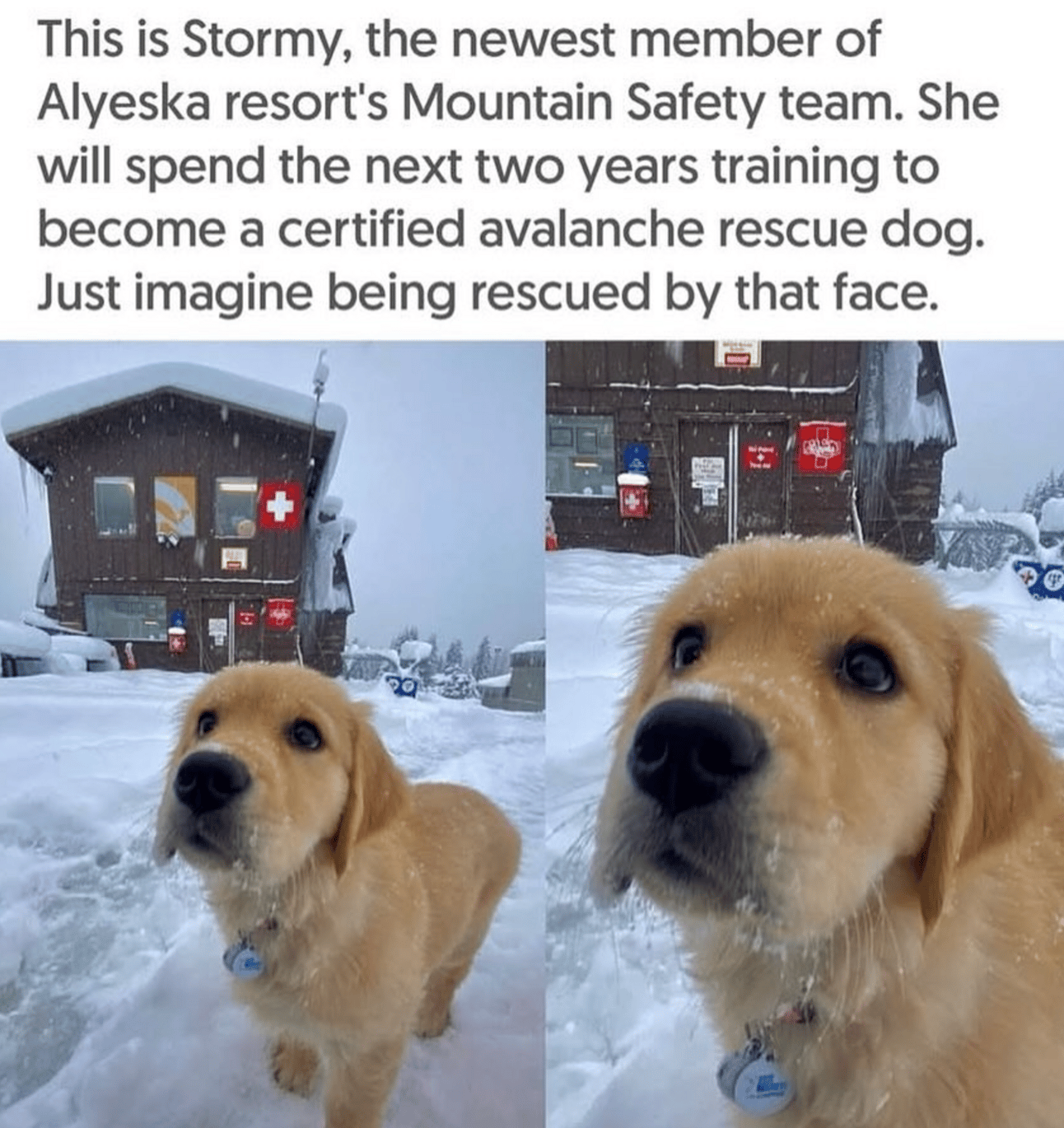
Meme of the day: Good boy, Stormy!
| You May Like | ||||||||||||||||||
Subscribe to our sister newsletter!
|

Wagging Wonders: The Purpose of a Dog's Tail
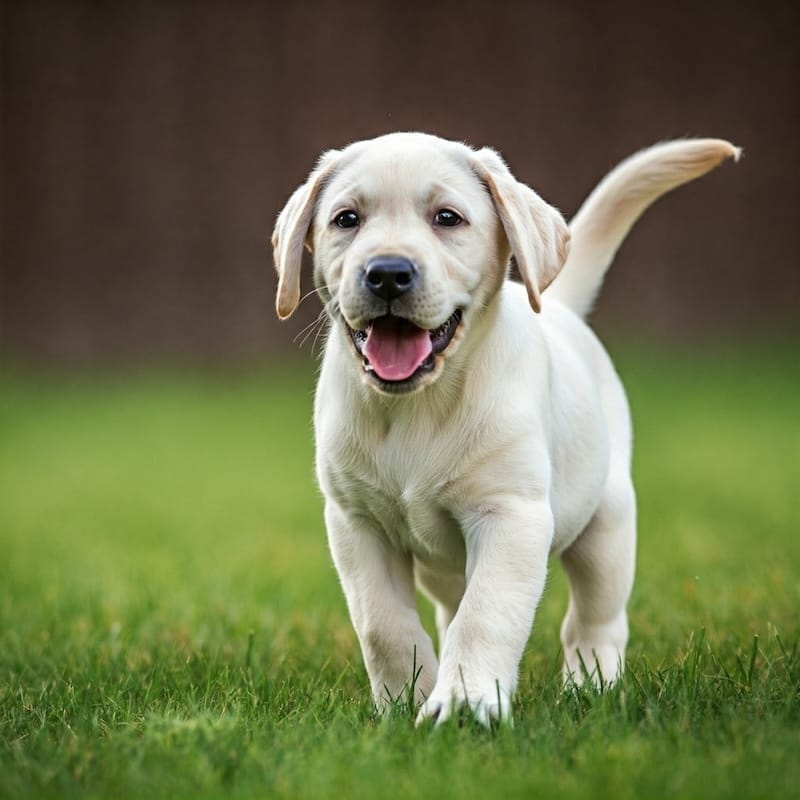
A dog's tail is much more than just a cute appendage. It's a vital tool for communication, balance, and even swimming. Over centuries of evolution, dogs have developed tails that serve a variety of purposes, both physical and social.
Communication Central:
Perhaps the most obvious function of a dog's tail is communication. A wagging tail is often associated with happiness and excitement, while a tucked tail can signal fear or anxiety. However, the nuances of tail language are far more complex. The speed, direction, and height of the wag can all convey different messages. A slow wag might indicate uncertainty, while a high, stiff wag can be a sign of alertness or even dominance. We can gain valuable insights into our dog's emotional state and intentions by paying attention to their tail movements.
Balance and Agility:
Beyond communication, a dog's tail plays a crucial role in balance and agility. When dogs run, jump, or navigate uneven terrain, their tail acts as a counterbalance, helping them maintain stability and coordination. This is particularly evident in breeds with long or bushy tails, which provide greater counterbalance.
Swimming Prowess:
For some dogs, the tail also aids in swimming. Breeds like Labrador Retrievers and Newfoundlands, which were originally bred for water activities, have strong tails that act as rudders, helping them steer and propel themselves through the water.
Scent Dispersion:
While less obvious, a dog's tail can also play a role in scent dispersion. Dogs have scent glands around their anus, and tail wagging can help disperse these scents, which can be used for marking territory or attracting mates.
Individual Variation:
The shape and size of a dog's tail can vary greatly depending on the breed. Some breeds, like Poodles and Schnauzers, have naturally docked tails, while others, like Australian Shepherds, may be born with naturally bobbed tails. These variations can affect the tail's functionality to some extent, but dogs are remarkably adaptable and can compensate for differences in tail length or structure.
Understanding the various functions of a dog's tail allows us to appreciate its importance beyond its aesthetic appeal. By observing their tail movements and postures, we can gain a deeper understanding of our canine companions and their communication signals.
References
American Kennel Club (AKC). (n.d.). Why Do Dogs Wag Their Tails?.
Coren, S. (2006). How dogs think. Free Press.
Beaver, B. V. (2009). Canine behavior: Insights and answers. Elsevier Health Sciences.
Family photo of the day: Scooter!

We want to feature your pup!
We want to share your pup with our pack. Email us your favorite doggy pic or video with your pup’s name, and we'll try to feature it as a family photo in one of our upcoming newsletters or on our Facebook page.
Share our newsletter with your friends!
We’ll donate on your behalf!
🐶 Refer 10 people: we will donate a box of treats to an animal rescue 🐶
🐕️ Refer 50 people: we will donate a bag of dog food to an animal rescue 🐕️
🛏️ Refer 100 people: we will donate a dog bed to an animal rescue 🛏️
You currently have 0 referrals, only 2 away from receiving Dog Safety Guide.
| You May Like | |||||
Sources:
Dog of the day: IG wippetbowie
Meme of the day: IG fur.friends2