🐶❤️🐶 How do I teach my dog to come when called? 🐶❤️🐶

Your daily dose of doggy goodness!
Every day, we celebrate our shared love of dogs and hopefully brighten your day. Enjoy!
In partnership with

Dog of the Day: Miki!

Meme of the day: The best part of their day!

How do I teach my dog to come when called?
Training your dog to come when called is one of the most important commands for their safety and your peace of mind. A reliable recall ensures that your dog can safely enjoy off-leash activities and avoid potential dangers. This newsletter outlines some effective training techniques to help your dog respond consistently to your call.
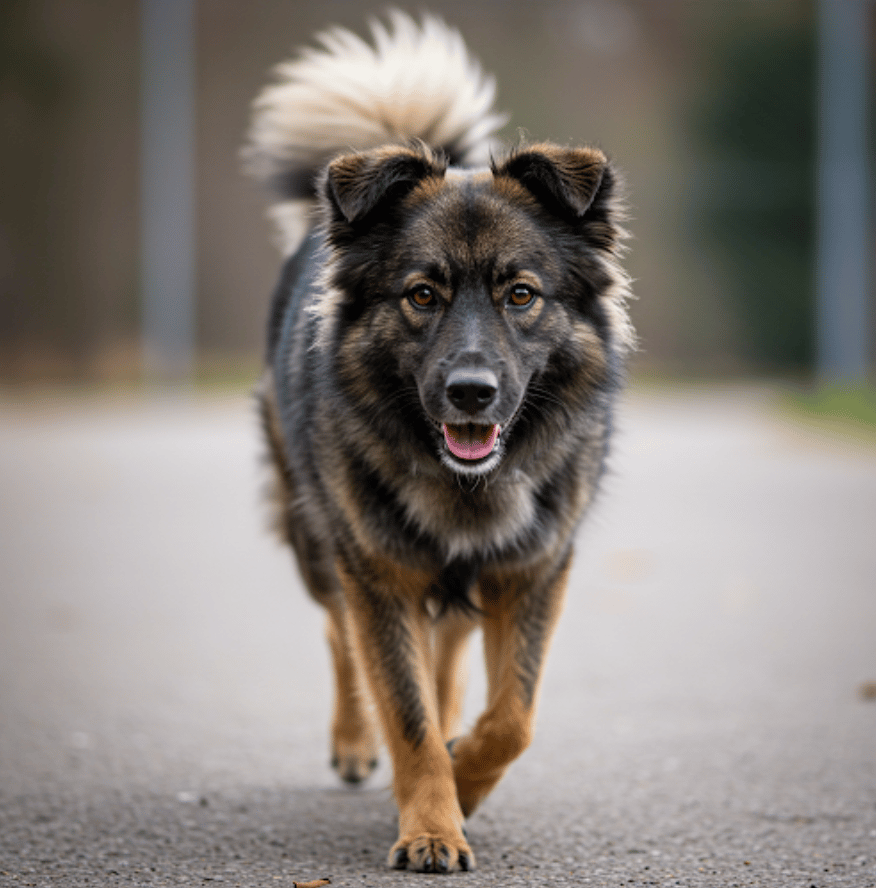
Why Is Recall Training Important?
A strong recall command can prevent accidents, keep your dog from running into dangerous situations, and improve off-leash freedom. It can also strengthen the bond between you and your dog as your dog learns to trust and respond to you positively.
Step-by-Step Recall Training
Choose a Cue Word
Select a consistent recall word like “Come,” “Here,” or “Come here.” Avoid using their name alone, as this is often used in everyday speech and may not signal a specific command.
Start Indoors or in a Controlled Space
Begin in a quiet, distraction-free environment like your home or fenced yard. This will help your dog focus on learning the command.
Use High-Value Rewards
Dogs are more likely to respond to recall if they associate it with positive experiences. When they come to you, reward them with treats, praise, or their favorite toy. High-value treats like cheese, cooked chicken, or commercial training treats can be especially effective.
Practice with Short Distances
Start by standing a few feet away from your dog. Exuberantly say the cue word and encourage your dog to come to you. When they respond, reward them immediately. Repeat several times until your dog consistently comes when called.
Gradually Increase Distance and Distractions
Once your dog reliably responds in a controlled space, begin practicing in areas with mild distractions, such as your backyard. Gradually increase the distance between you and your dog while reinforcing the recall command.
Avoid Negative Reinforcement
Never punish your dog for coming late or hesitating. If your dog associates recall with negative consequences, it may become reluctant to respond in the future. Always make recall a rewarding and positive experience.
Use a Long Leash for Outdoor Training
When transitioning to open spaces, use a long leash (15–30 feet) to maintain control while allowing freedom. Call your dog from a short distance, and gently guide them with the leash if necessary. Reward them when they reach you.
Add Games to Reinforce Recall
Make training fun by incorporating recall games. Some effective ones include:
- Hide and Seek: Hide behind furniture or trees and call your dog to find you.
- Chase Me: Run a few steps backward while calling them to make it more exciting.
- Round-robin recall: Have family members call your dog from different locations and reward them each time they respond.
Practice Regularly and Increase Real-Life Training
Consistency is key. Practice recall training daily, gradually incorporating real-world distractions such as other people, dogs, and different environments.
Reinforce the Command for Life
Even after your dog has mastered recall, continue reinforcing it with occasional rewards. This will ensure that it remains responsive in any situation.
Common Mistakes to Avoid
- Repeating the Command Too Often: Say it once and wait; repeating it may cause your dog to ignore the command.
- Chasing Your Dog: If they run away, do not chase them. Instead, move in the opposite direction to encourage them to follow.
- Using Recall for Negative Experiences: Never call your dog for something they dislike, such as baths or leaving the park. Instead, go to them in such situations.
References
McConnell, P. (2002). The Other End of the Leash: Why We Do What We Do Around Dogs. Ballantine Books.
Pryor, K. (1999). Don’t Shoot the Dog: The New Art of Teaching and Training. Bantam Books.
Overall, K. (2013). Manual of Clinical Behavioral Medicine for Dogs and Cats. Elsevier.
American Kennel Club (AKC). (2023). “How to Train Your Dog to Come When Called.”
Following these steps, you can train your dog to reliably come when called, ensuring their safety and strengthening your bond. Happy training!
Stop chronic aches and joint pain this year

Winter’s cold can make joint pain worse, but NativePath Antarctic Krill Oil is the natural solution. Each small soft gel reduces inflammation, eases joint pain, and helps you stay active all season long. Plus, it supports heart health, circulation, and even cognitive function—making it essential for winter wellness. For a limited time, you can enjoy up to 66% off, FREE SHIPPING, and a FREE GIFT with your first order! NativePath Krill Oil is a trusted, premium omega-3 supplement that delivers real results.
Family photo of the day: Lacie and Haley

We want to feature your pup!
We want to share your pup with our pack. Email us your favorite doggy pic or video with your pup’s name, and we'll try to feature it as a family photo in one of our upcoming newsletters or on our Facebook page.
Share our newsletter with your friends!
We’ll donate on your behalf!
🐶 Refer 10 people: we will donate a box of treats to an animal rescue 🐶
🐕️ Refer 50 people: we will donate a bag of dog food to an animal rescue 🐕️
🛏️ Refer 100 people: we will donate a dog bed to an animal rescue 🛏️
You currently have 0 referrals, only 2 away from receiving Dog Safety Guide.
Sources:
Dog of the day: IG fineboymiki
Meme of the day: IG fi.dogs