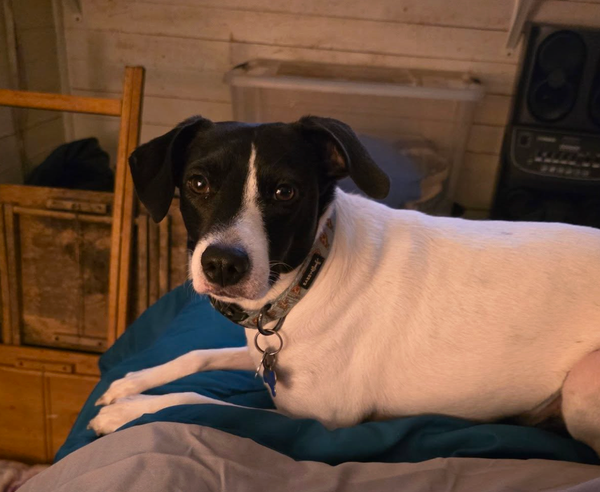
🐶❤️🐶 This lil' pup is so sweet! 🐶❤️🐶
Here are some dog photos to brighten your day 😊.

Here’s your daily dose of doggy goodness!
Every day, we celebrate our shared love of dogs and hopefully brighten your day. Enjoy!
Dog of the Day: Isobel!

Meme of the day: Same.

| You May Like | ||||||||||||||||||
Subscribe to our sister newsletter!
|

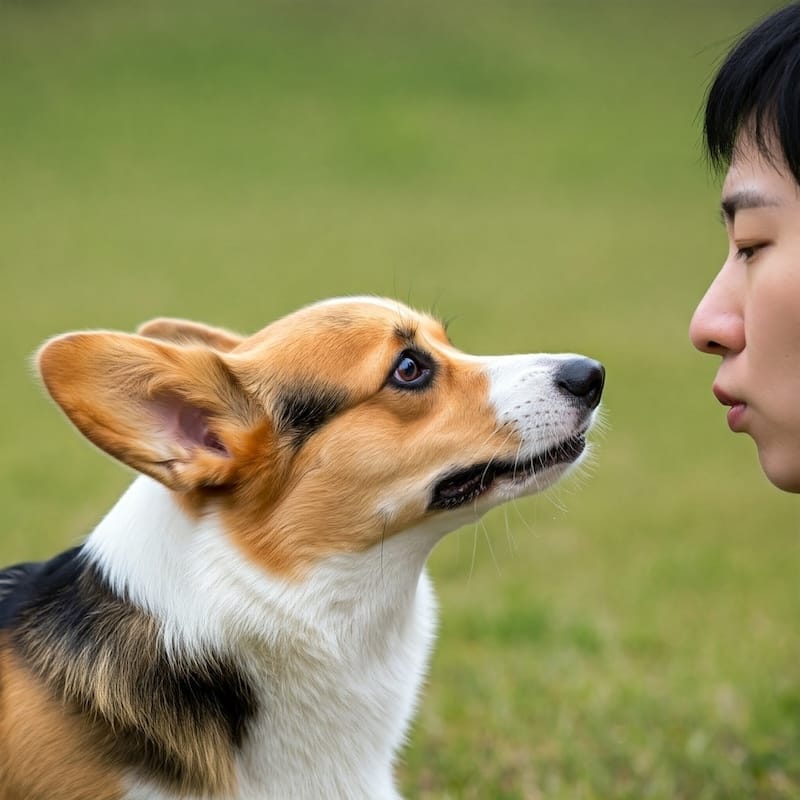
Why Do Dogs Like to Smell Your Breath?
Dogs have an incredible sense of smell, which they use to gather information about the world around them. One particularly curious behavior is their tendency to sniff or even directly smell human breath. While it might seem strange or even a bit rude to us, there are several reasons why dogs engage in this behavior.
Gathering Information:
Dogs have an extraordinary olfactory system, far superior to ours. By smelling our breath, they can gather a wealth of information about us, including our diet, health, emotional state, and even if we're pregnant or ovulating.
Social Bonding:
Sniffing breath can be a way for dogs to bond with their human companions. It's a form of close-up interaction that allows them to gather scent cues and establish a connection. In dog-to-dog interactions, sniffing each other's breath is a common way to greet and gather information about each other.
Showing Affection:
For some dogs, smelling your breath might be a way of showing affection or seeking attention. It's their way of getting close to you and expressing their interest in your presence.
Medical Detection:
Research suggests that dogs' highly sensitive noses can detect certain medical conditions in humans through their breath. For example, dogs have been trained to detect diseases like cancer, diabetes, and even COVID-19 by smelling breath samples.
Learned Behavior:
If a dog has been rewarded or praised for smelling someone's breath in the past, they may continue the behavior. This is especially true if they associate the behavior with positive attention or treats.
While it's generally harmless for dogs to smell your breath, it's important to be mindful of their body language and respect their boundaries. If a dog seems uncomfortable or tries to move away, it's best to give them space.
References:
- Horowitz, A. (2009). Inside of a dog: What dogs see, smell, and know.6 Scribner.
- Overall, K. L. (2013). Manual of clinical behavioral medicine for dogs and cats. Elsevier Health Sciences.7
- Wells, D. L. (2004). The facilitation of social interactions by domesticated animals. Current Directions in Psychological Science, 13(6), 210-213.
Do you have questions about dogs? Respond to this email to send in your question, and we’ll add it to our list!
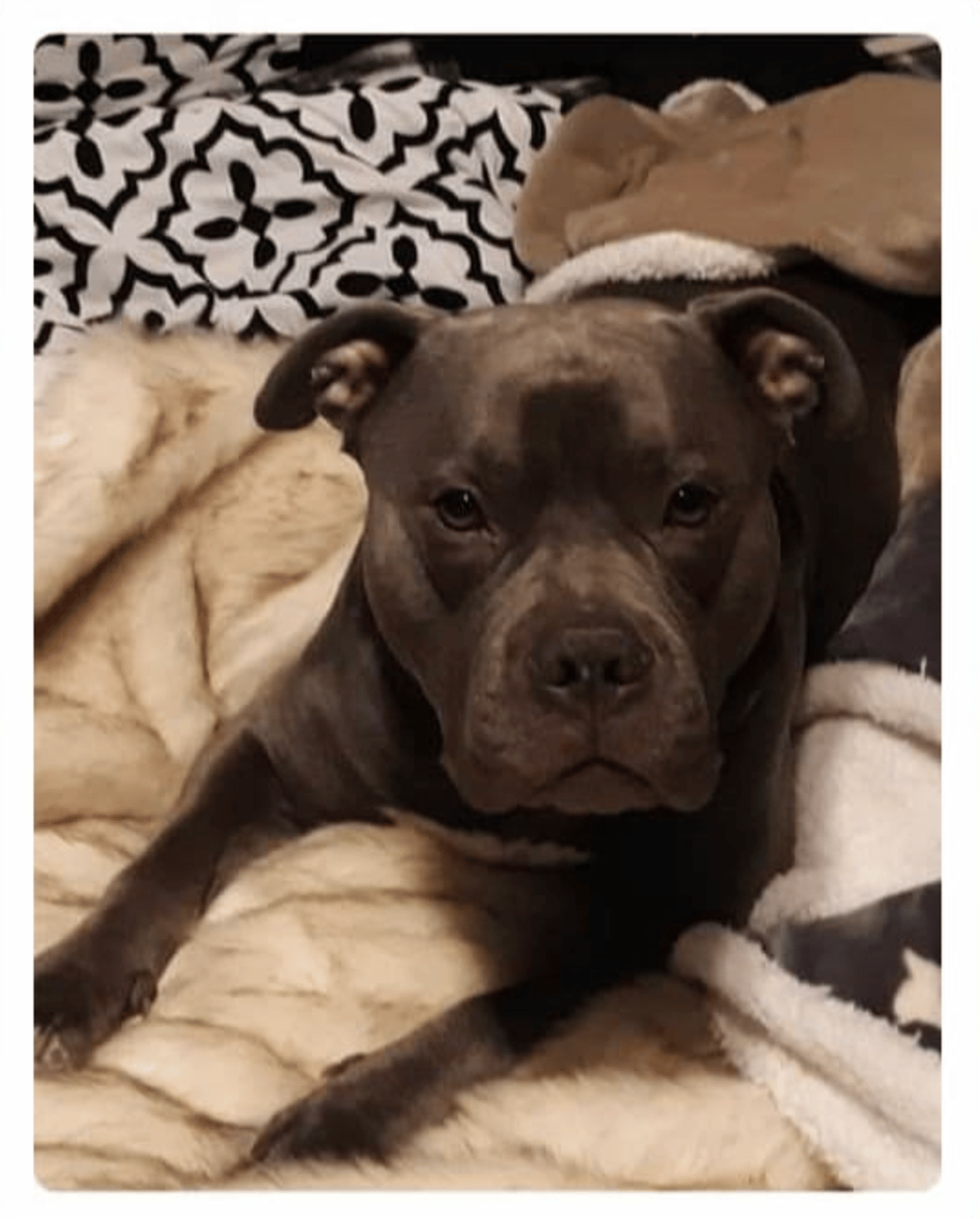
Family photo of the day: Gus!
We want to feature your pup!
We want to share your pup with our pack. Email us your favorite doggy pic or video with your pup’s name, and we'll try to feature it as a family photo in one of our upcoming newsletters or on our Facebook page.
Share our newsletter with your friends!
We’ll donate on your behalf!
🐶 Refer 10 people: we will donate a box of treats to an animal rescue 🐶
🐕️ Refer 50 people: we will donate a bag of dog food to an animal rescue 🐕️
🛏️ Refer 100 people: we will donate a dog bed to an animal rescue 🛏️
You currently have 0 referrals, only 2 away from receiving Dog Safety Guide.
| You May Like | |||||
Sources:
Dog of the day: IG rfwads
Meme of the day: FB https://www.facebook.com/iloveeverydogofficial