🐶❤️🐶 This puppy is so sweet! 🐶❤️🐶

Here’s your daily dose of doggy goodness!
Every day, we celebrate our shared love of dogs and hopefully brighten your day. Enjoy!
Dog of the Day: Honey!

Meme of the day: Sweet little guy.

| You May Like | ||||||||||||||||||
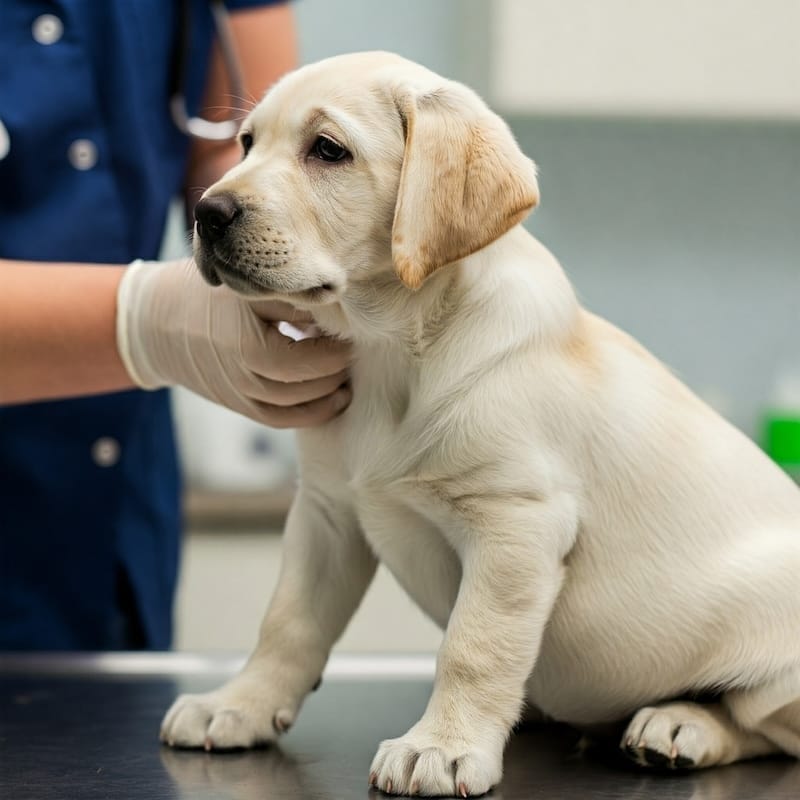
Understanding Canine Vaccinations: Protecting Your Dog's Health
Vaccinations are critical to responsible pet ownership, protecting dogs from potentially life-threatening infectious diseases. Proper vaccination safeguards individual dogs and contributes to broader public health by reducing the spread of zoonotic diseases like rabies.
Core Vaccines: Essential Protection
Core vaccines are universally recommended for all dogs due to the severity and widespread nature of the diseases they protect against. These include:
- Rabies: A fatal viral disease that affects the central nervous system and can be transmitted to humans. Vaccination is required by law in many regions.
- Distemper: A highly contagious and often fatal virus that affects the respiratory, gastrointestinal, and nervous systems.
- Adenovirus (Canine Hepatitis): Causes liver disease and can lead to severe complications, including death.
- Parvovirus: A highly contagious virus that causes severe gastrointestinal distress and dehydration, particularly fatal in puppies.
- Parainfluenza: A respiratory virus that contributes to kennel cough, a highly contagious condition.
These vaccines are typically administered in combination, simplifying the process for pet owners while ensuring comprehensive coverage.
Non-Core Vaccines: Tailored to Lifestyle
Non-core vaccines are administered based on a dog’s specific risk factors, which are influenced by their environment and lifestyle. Examples include:
- Kennel Cough (Bordetella bronchiseptica): Recommended for dogs that frequently interact with other dogs in settings like parks, boarding facilities, or grooming salons.
- Lyme Disease: Caused by Borrelia burgdorferi, a bacterium transmitted through tick bites. This vaccine is particularly important in areas where Lyme disease is endemic.
- Leptospirosis: A bacterial infection that can affect the liver and kidneys and is transmissible to humans. Dogs in rural or suburban areas with exposure to standing water or wildlife are at higher risk.
Discussing your dog’s activities and environment with a veterinarian will help determine whether these vaccines are necessary.
Puppy Vaccination Schedules
Puppies are particularly vulnerable to infectious diseases due to their developing immune systems. Vaccination typically begins at 6-8 weeks of age, with additional doses every 3-4 weeks until they are about 16 weeks old. This initial series is followed by booster shots, usually administered annually or triennially, depending on the vaccine.
Maintaining Adult Dog Vaccination
For adult dogs, regular boosters are essential to maintain immunity. Vaccination schedules may vary depending on the vaccine type and your veterinarian’s recommendations. Rabies vaccines, for instance, often require boosters every 1-3 years, while other vaccines may have similar or longer intervals.
The Role of Veterinarians
Veterinarians are crucial in developing personalized vaccination protocols. They assess factors such as:
- The dog's age, breed, and health status
- Geographic location and local disease prevalence
- Lifestyle and exposure risks
By following a veterinarian’s advice, pet owners can ensure their dogs are adequately protected.
Why Vaccination Matters
Vaccination is not just a preventive measure; it’s a proactive approach to ensuring long-term health and well-being. Vaccinated dogs are less likely to suffer from debilitating diseases, reducing the emotional and financial strain on owners. Additionally, widespread vaccination contributes to "herd immunity," curbing the spread of diseases within canine communities and to humans.
References
- American Animal Hospital Association (AAHA). (n.d.). Canine Vaccination Guidelines.
- Centers for Disease Control and Prevention (CDC). (n.d.). Rabies.
- American Veterinary Medical Association (AVMA). (n.d.). Vaccination Basics.
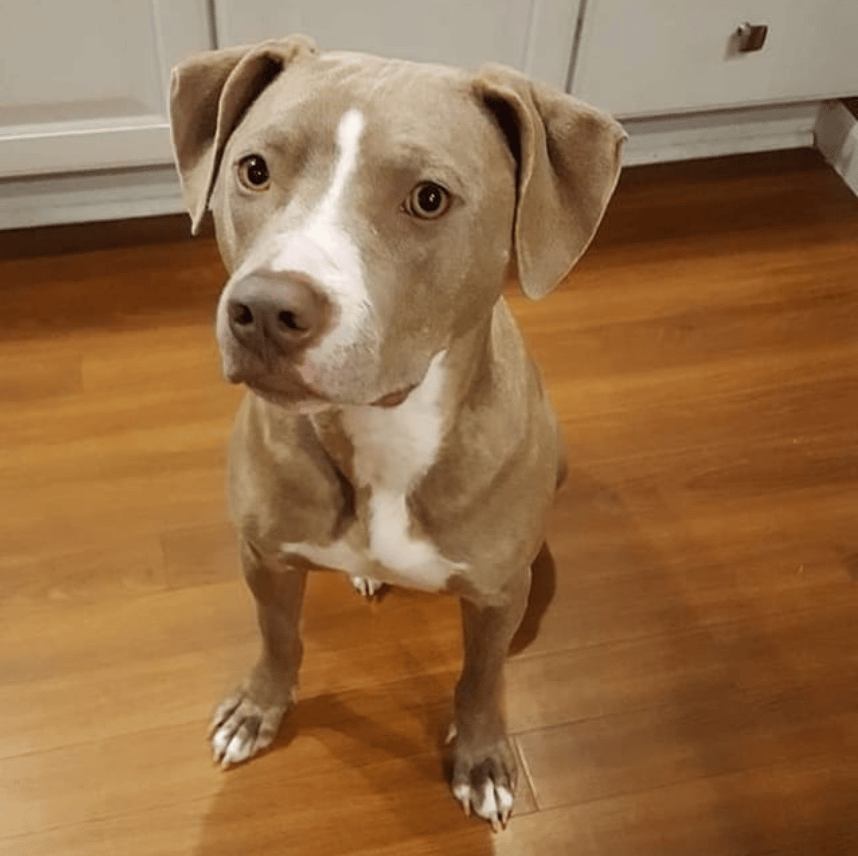
Family photo of the day: Bella!
We want to feature your pup!
We want to share your pup with our pack. Email us your favorite doggy pic or video with your pup’s name, and we'll try to feature it as a family photo in one of our upcoming newsletters or on our Facebook page.
Share our newsletter with your friends!
We’ll donate on your behalf!
🐶 Refer 10 people: we will donate a box of treats to an animal rescue 🐶
🐕️ Refer 50 people: we will donate a bag of dog food to an animal rescue 🐕️
🛏️ Refer 100 people: we will donate a dog bed to an animal rescue 🛏️
You currently have 0 referrals, only 2 away from receiving Dog Safety Guide.
| You May Like | ||||||||||||||||||
Sources:
Dog of the day: IG puppy_lovezone
Meme of the day: IG idogsplanet