🐶❤️🐶 This handsome boy is right at home in the snow! 🐶❤️🐶

Here’s your daily dose of doggy goodness!
Every day, we celebrate our shared love of dogs and hopefully brighten your day. Enjoy!
Dog of the Day: Retriever!

Meme of the day: It doesn’t count if you don’t see it!
Why Does My Dog Eat Grass? Understanding the Behavior and What It Means
Many dog owners have observed their furry companions munching on grass, often wondering why this happens and if it's something to worry about. While the behavior might seem odd, grass-eating is relatively common among dogs and usually harmless. This article explores possible reasons behind this behavior, when to be concerned, and how to manage it.
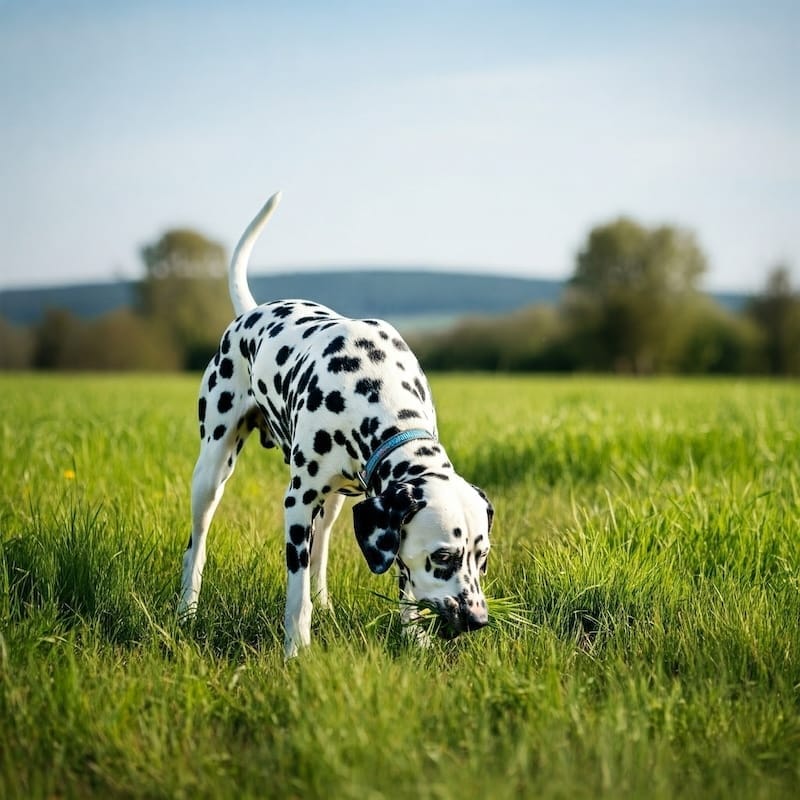
Possible Reasons Why Dogs Eat Grass
1. Natural Instincts
- Dogs are descendants of wild canines like wolves, which consumed entire prey, including the stomach contents of herbivorous animals. This could explain why dogs may instinctively eat plant material, including grass.
- Grass consumption might also stem from foraging behaviors inherited from their ancestors.
2. Dietary Deficiency
- Some experts believe dogs eat grass to compensate for missing nutrients, such as fiber, in their diet. While most commercial dog foods are formulated to be nutritionally complete, some dogs may still seek additional roughage.
3. Gastrointestinal Discomfort
- One popular theory is that dogs eat grass to induce vomiting when they feel nauseous or have an upset stomach. However, studies have shown that most dogs who eat grass do not vomit afterward, suggesting this is not always the case.
4. Boredom or Anxiety
- Grass-eating may be a way for dogs to pass the time or cope with stress. If a dog lacks mental or physical stimulation, they might turn to grazing as a form of self-entertainment.
5. Curiosity and Exploration
- Dogs often explore the world with their mouths. Grass-eating might simply be a way for your dog to investigate their environment and experience different textures and tastes.
6. Habit or Enjoyment
- Some dogs genuinely enjoy the taste or texture of grass. If your dog consistently grazes on grass without showing signs of distress, it may just be a harmless habit.
When to Be Concerned
In most cases, grass-eating is not harmful. However, there are times when it could signal a problem or pose a risk:
Frequent Vomiting
- If your dog vomits every time they eat grass, it could indicate an underlying health issue, such as gastrointestinal discomfort or parasites.
Excessive Grass Consumption
- If grass-eating becomes obsessive, it might point to boredom, anxiety, or a dietary deficiency that needs addressing.
Toxic Plants or Chemicals
- Ensure the grass your dog has access to is free from pesticides, herbicides, or fertilizers, as these can be toxic to pets.
Other Symptoms of Illness
- Look for signs such as lethargy, diarrhea, loss of appetite, or changes in behavior. These symptoms, combined with grass-eating, warrant a visit to the veterinarian.
How to Manage Grass-Eating Behavior
Provide a Balanced Diet
- Ensure your dog’s food is high-quality and meets their nutritional needs. Consult your veterinarian about supplements or adjustments if necessary.
Increase Mental and Physical Stimulation
- Boredom can be mitigated with regular walks, playtime, and interactive toys. Mental stimulation, such as puzzle feeders or training sessions, can also help.
Offer Safe Alternatives
- Provide safe, dog-friendly greens like cooked vegetables (e.g., carrots, green beans) or plain lettuce if your dog seems to crave plant material.
Monitor Their Environment
- Ensure your dog only has access to safe, untreated grass. Remove toxic plants from your yard or walking areas.
Address Anxiety or Stress
- If anxiety is the root cause, work with a trainer or behaviorist to identify triggers and develop a plan to manage stress.
Grass-eating is a common behavior in dogs and is usually not a cause for concern. However, understanding the potential reasons behind this behavior can help you ensure your dog is healthy, happy, and safe. If you’re ever unsure about your dog’s grass-eating habits, consult your veterinarian for personalized advice.
References
- Merck Veterinary Manual. (n.d.). Pica and Coprophagy in Dogs.
- American Kennel Club (AKC). (n.d.). Why Do Dogs Eat Grass?.
- ASPCA. (n.d.). Common Toxic Plants.
- PetMD. (n.d.). Reasons Dogs Eat Grass.
Family photo of the day: Penny!

We want to feature your pup!
We want to share your pup with our pack. Email us your favorite doggy pic or video with your pup’s name, and we'll try to feature it as a family photo in one of our upcoming newsletters or on our Facebook page.
Share our newsletter with your friends!
We’ll donate on your behalf!
🐶 Refer 10 people: we will donate a box of treats to an animal rescue 🐶
🐕️ Refer 50 people: we will donate a bag of dog food to an animal rescue 🐕️
🛏️ Refer 100 people: we will donate a dog bed to an animal rescue 🛏️
You currently have 0 referrals, only 2 away from receiving Dog Safety Guide.
Sources:
Dog of the day: IG retrieverjourney
Meme of the day: IG mydogsplanet