🐶❤️🐶 This might be the most adorable thing you see all day! 🐶❤️🐶
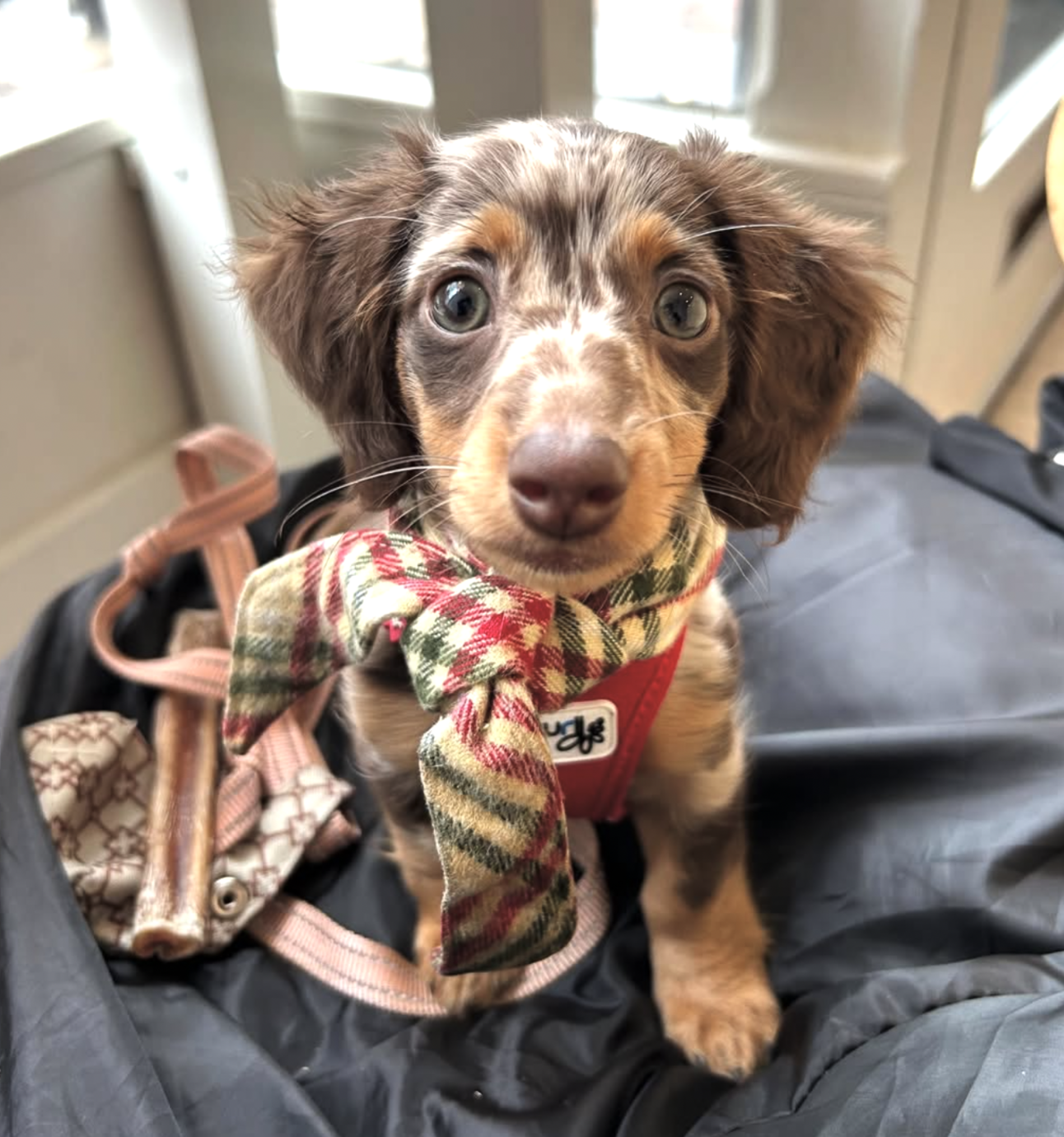
Here’s your daily dose of doggy goodness!
Every day, we celebrate our shared love of dogs and hopefully brighten your day. Enjoy!
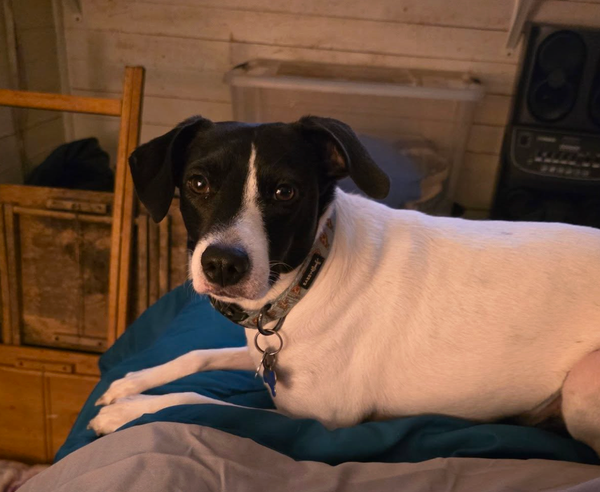
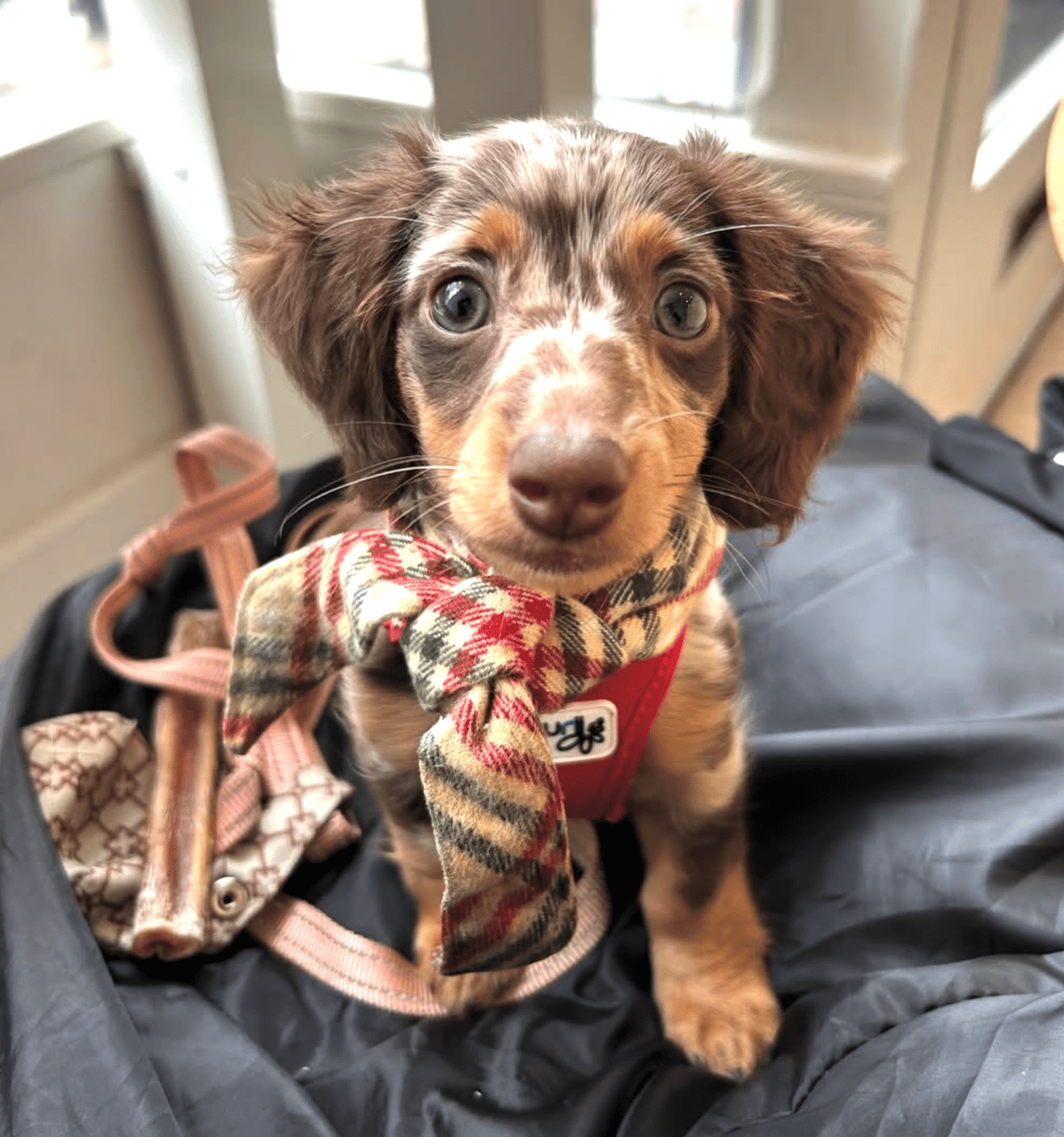
Dog of the Day: Maple!
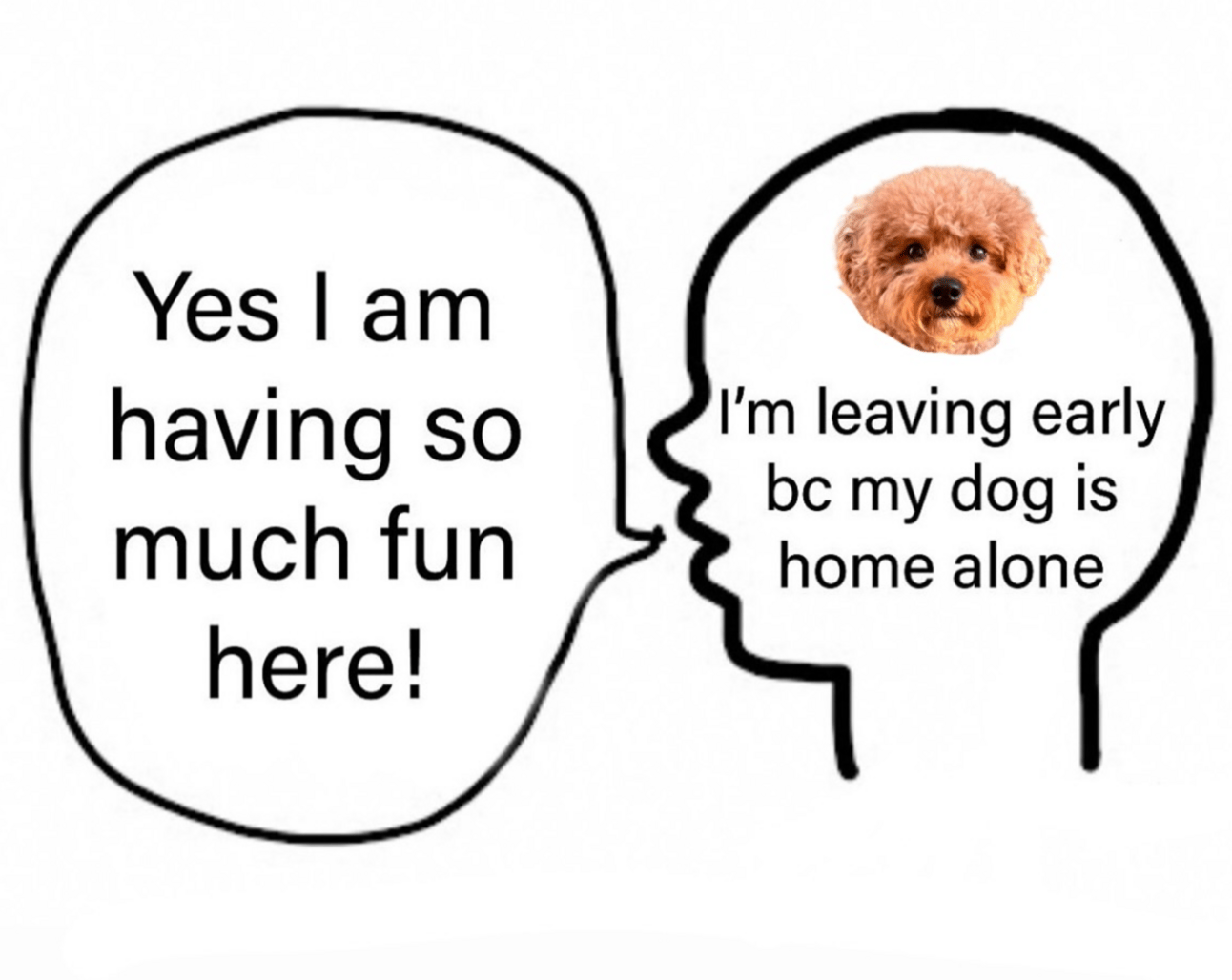
Meme of the day: I can relate!
How to Know If Your Dog Is Overweight
Ensuring your dog maintains a healthy weight is crucial for their overall well-being and longevity. Obesity in dogs can lead to a range of health problems, including joint issues, heart disease, diabetes, and a decreased quality of life. Here’s how to determine if your dog might be overweight and what steps you can take to address it.

Signs Your Dog May Be Overweight
- Difficulty Feeling Ribs: When you run your hands along your dog’s sides, you should be able to feel their ribs without pressing hard. If you can’t feel their ribs easily, it’s a sign they may have excess fat.
- Lack of an Abdominal Tuck: Viewed from the side, a healthy dog should have a visible abdominal tuck, meaning their stomach curves upward from their ribcage to their hips. A flat or bulging abdomen can indicate overweight.
- Broad or Flat Back: Looking at your dog from above, their waist should taper slightly behind the ribs. If their back appears broad or flat, or if they’ve lost that distinct waistline, they could be carrying extra weight.
- Reduced Energy or Stamina: Overweight dogs may tire quickly during exercise or seem less enthusiastic about physical activities.
- Difficulty Grooming or Breathing: Excess weight can make it harder for dogs to groom themselves or cause them to pant excessively, even during mild activity.
- Weight Check at the Vet: Your veterinarian can provide a clear assessment of your dog’s weight using a body condition scoring system. This involves evaluating fat deposits, muscle tone, and overall shape.
Common Causes of Weight Gain
- Overfeeding: Providing more calories than your dog needs, including treats and table scraps, is a leading cause of weight gain.
- Lack of Exercise: Insufficient physical activity contributes to weight gain, especially in less active breeds or older dogs.
- Medical Conditions: Hypothyroidism, Cushing’s disease, or other health issues can lead to weight gain. If you’re unsure, consult your vet.
- Age: Older dogs often have slower metabolisms, making it easier for them to gain weight.
How to Help Your Dog Maintain a Healthy Weight
- Monitor Food Intake: Measure your dog’s food portions and stick to a consistent feeding schedule. Consult your vet for guidance on calorie requirements based on your dog’s breed, age, and activity level.
- Choose the Right Diet: Opt for high-quality, nutrient-dense dog food. Some diets are specifically formulated for weight management.
- Increase Exercise: Regular walks, playtime, and activities like swimming can help your dog burn calories and stay fit. Tailor the exercise to your dog’s physical capabilities.
- Limit Treats: Treats should make up no more than 10% of your dog’s daily caloric intake. Opt for healthier options like carrot sticks or apple slices.
- Schedule Regular Weigh-Ins: Regularly weigh your dog to track progress and make adjustments as needed. Your vet can also monitor their weight during routine checkups.
When to See a Veterinarian
If you’re concerned about your dog’s weight, schedule a visit with your veterinarian. They can assess your dog’s body condition, rule out underlying health issues, and recommend a tailored weight management plan.
References
- American Kennel Club (AKC). “How to Tell if Your Dog Is Overweight.” https://www.akc.org/expert-advice/health/how-to-tell-if-your-dog-is-overweight/
- Association for Pet Obesity Prevention (APOP). “Pet Obesity Statistics.” https://petobesityprevention.org
- VCA Animal Hospitals. “Weight Management for Dogs.” https://vcahospitals.com/know-your-pet/weight-management-for-dogs
Family photo of the day: Razzi!

We want to feature your pup!
We want to share your pup with our pack. Email us your favorite doggy pic or video with your pup’s name, and we'll try to feature it as a family photo in one of our upcoming newsletters or on our Facebook page.
Share our newsletter with your friends!
We’ll donate on your behalf!
🐶 Refer 10 people: we will donate a box of treats to an animal rescue 🐶
🐕️ Refer 50 people: we will donate a bag of dog food to an animal rescue 🐕️
🛏️ Refer 100 people: we will donate a dog bed to an animal rescue 🛏️
You currently have 0 referrals, only 2 away from receiving Dog Safety Guide.
Sources:
Dog of the day: IG onlyalivedinosaur
Meme of the day: IG itsme.tommy.to