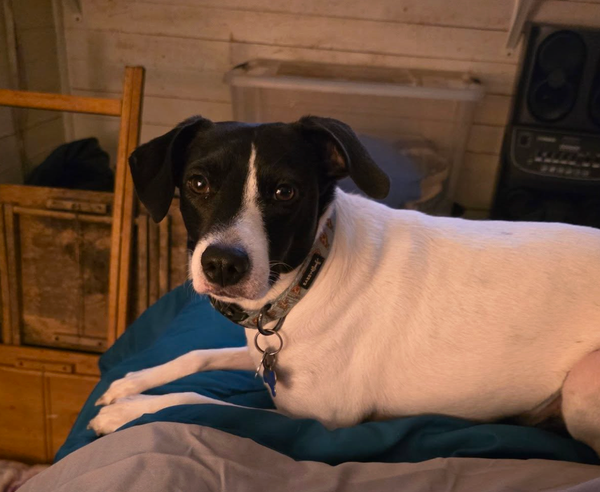
🐶❤️🐶 This pup has clearly been a very good boy! 🐶❤️🐶

Here’s your daily dose of doggy goodness!
Every day, we celebrate our shared love of dogs and hopefully brighten your day. Enjoy!
Dog of the Day: Hudson!

Meme of the day: Problem solved!

What to Do if Your Dog Starts Limping
Seeing your dog limp can be concerning. Whether the issue is minor or serious, knowing how to address it promptly is crucial to ensuring your pet's well-being. This guide will walk you through the steps to take if your dog starts limping, from initial assessments to determining when professional care is needed.

1. Assess the Limping
Begin by observing your dog’s behavior.
- Which leg is affected? Identifying whether it’s a front or back leg will help narrow down potential causes.
- When did it start? Sudden limping may indicate trauma, while gradual limping might be a sign of an underlying condition like arthritis or hip dysplasia.
- Is it constant or intermittent? This can provide clues to the severity of the issue.
2. Check for Visible Injuries
Inspect your dog’s leg and paw for signs of injury:
- Wounds or cuts: Look for bleeding, punctures, or scrapes.
- Swelling: This may indicate a sprain, strain, or infection.
- Foreign objects: Small items like thorns, glass, or burrs can lodge in their paw.
⚠️ Tip: Be gentle when examining your dog. If they show pain or discomfort, stop the inspection and consult a veterinarian.
3. Limit Your Dog’s Movement
If your dog is limping, restrict their activity to prevent further strain.
- Avoid walks, running, or jumping.
- Encourage rest in a quiet area.
Using a crate or a confined space can help limit movement in more severe cases.
4. Apply First Aid if Necessary
For minor injuries:
- Clean wounds: Use lukewarm water and an antiseptic to clean small cuts or abrasions.
- Ice packs: Apply a cold pack to reduce swelling (10–15 minutes at a time).
- Bandage: Cover wounds with a sterile bandage to prevent infection.
Do not give your dog human pain relievers, such as ibuprofen or acetaminophen, as these can be toxic to dogs.
5. Monitor for Serious Symptoms
Certain situations warrant immediate veterinary attention:
- Severe or persistent limping lasting more than 24–48 hours.
- Open wounds or bleeding that doesn’t stop.
- Swelling or deformities in the leg or joints.
- Signs of extreme pain, like whimpering, growling, or avoiding touch.
6. When to Visit the Vet
A veterinarian’s expertise is essential if the limping persists or worsens. They can perform diagnostic tests such as:
- X-rays or ultrasounds: To detect fractures, ligament injuries, or internal issues.
- Blood tests: To rule out infections or autoimmune diseases.
- Physical exams: To assess joint or muscle conditions.
Common treatments may include anti-inflammatory medications, physical therapy, or even surgery for more severe cases.
7. Preventing Future Limping Episodes
- Keep nails trimmed: Overgrown nails can lead to awkward walking and limping.
- Inspect paws regularly: Check for foreign objects or injuries after walks.
- Maintain a healthy weight: Excess weight puts additional strain on your dog’s joints.
- Provide joint supplements: For breeds prone to arthritis or hip dysplasia, supplements like glucosamine and chondroitin may help.
While a limping dog can cause concern, most cases can be managed effectively with proper care and attention. Observing your dog’s behavior, taking immediate steps to address minor injuries, and seeking veterinary advice when necessary will ensure your furry friend recovers quickly and comfortably.
References
- American Veterinary Medical Association (AVMA). (n.d.). Dog Injury First Aid.
- PetMD. (2023). Why Is My Dog Limping?.
- ASPCA. (n.d.). Caring for Your Dog’s Paws.
- VCA Animal Hospitals. (2023). Dog Limping and Lameness.
By being proactive and attentive, you can help your dog bounce back to their active and happy self in no time.
Family photo of the day: Champ!
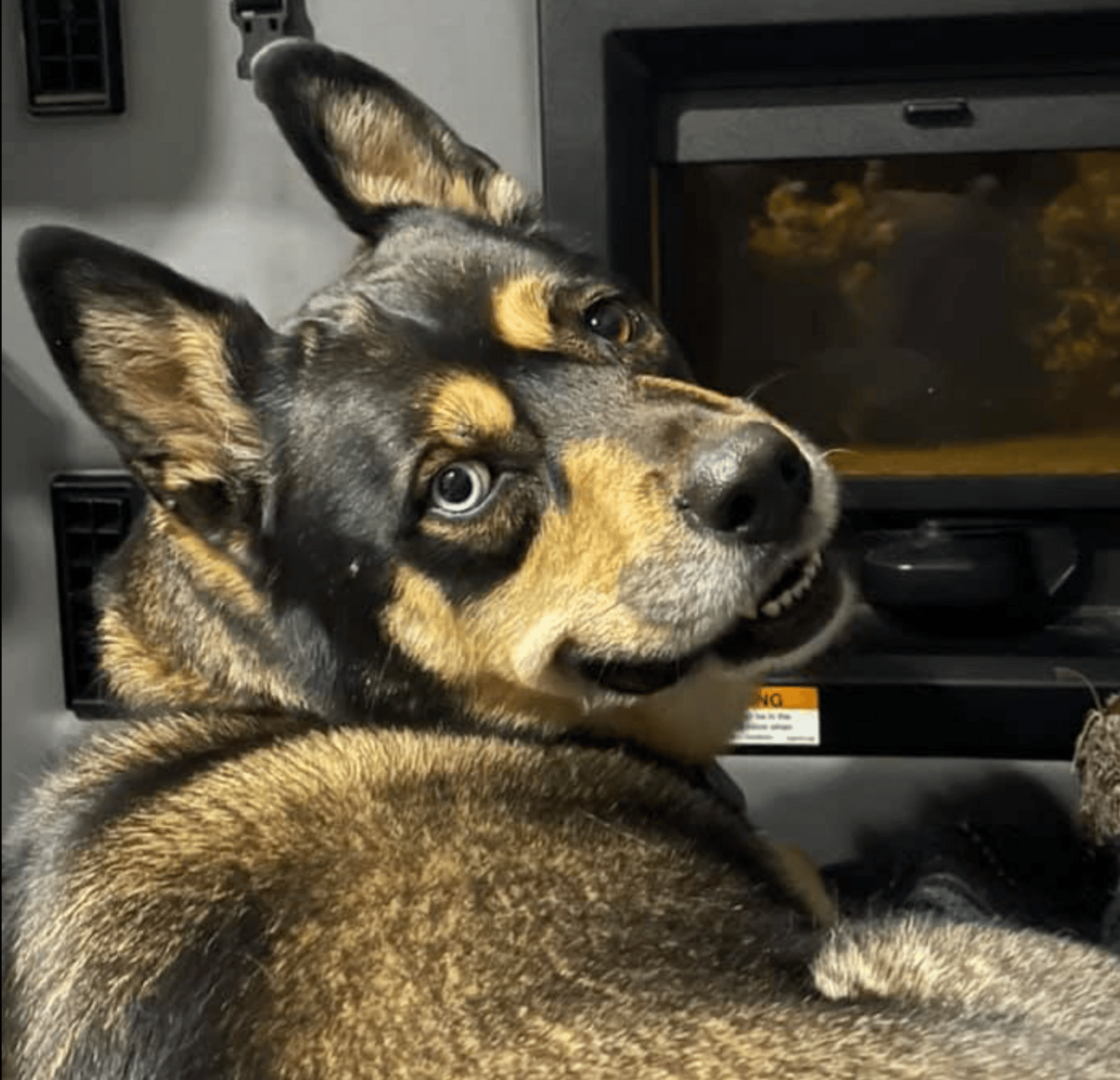
We want to feature your pup!
We want to share your pup with our pack. Email us your favorite doggy pic or video with your pup’s name, and we'll try to feature it as a family photo in one of our upcoming newsletters or on our Facebook page.
Share our newsletter with your friends!
We’ll donate on your behalf!
🐶 Refer 10 people: we will donate a box of treats to an animal rescue 🐶
🐕️ Refer 50 people: we will donate a bag of dog food to an animal rescue 🐕️
🛏️ Refer 100 people: we will donate a dog bed to an animal rescue 🛏️
You currently have 0 referrals, only 2 away from receiving Dog Safety Guide.
Sources:
Dog of the day: IG agoldenbark
Meme of the day: IG epicfunnypage