
🐶❤️🐶 This puppy just wants to lend a hand 🐶❤️🐶

Here’s your daily dose of doggy goodness!
Every day, we celebrate our shared love of dogs and hopefully brighten your day. Enjoy!
Dog of the Day: Joy!

Meme of the day: I’m so happy for him!

| You May Like | ||||||||||||||||||
The Benefits of Dog Ownership for Human Health
Dog ownership offers a myriad of benefits for human health and well-being, supported by both anecdotal evidence and scientific research. From improving physical fitness to enhancing emotional resilience, dogs play a vital role in enriching our lives.
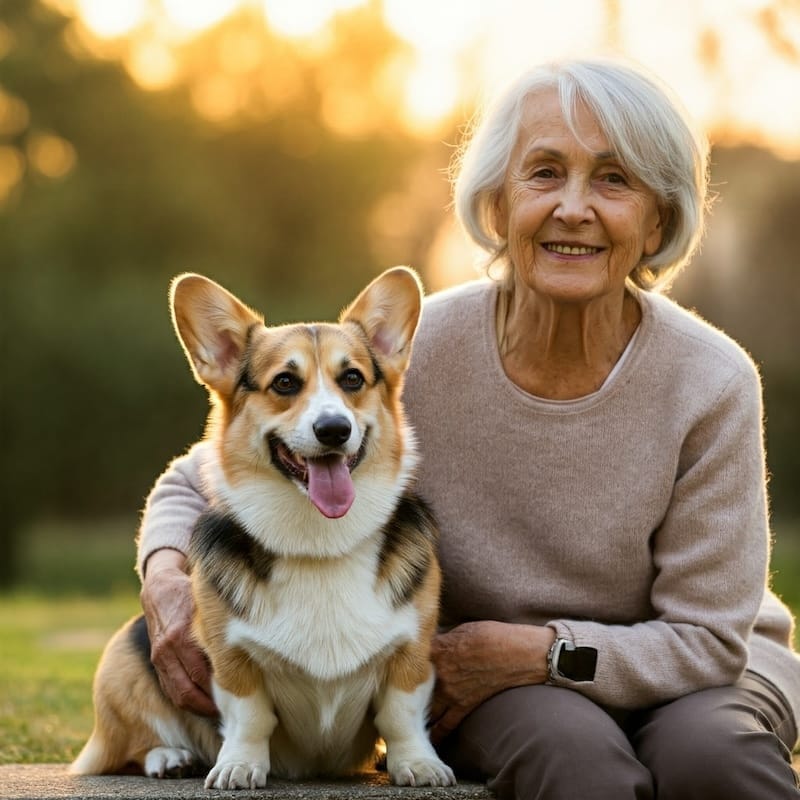
Physical Health Benefits
Owning a dog encourages a more active lifestyle. Daily walks, playtime, and outdoor activities with dogs provide regular opportunities for exercise. This increased physical activity contributes to improved cardiovascular health, weight management, and overall fitness. For example, a study published in the Journal of Physical Activity and Health found that dog owners are more likely to meet recommended physical activity levels compared to non-owners.
Additionally, interacting with dogs can have immediate health benefits. Studies show that petting a dog can lower blood pressure, slow heart rates, and reduce cortisol levels—key indicators of stress. These physiological changes can protect against chronic conditions such as hypertension and cardiovascular disease.
Mental and Emotional Health Benefits
Dogs are often referred to as "man's best friend" for good reason. The companionship they offer can alleviate feelings of loneliness and provide emotional support, which is especially beneficial for individuals experiencing anxiety, depression, or grief.
Petting a dog triggers the release of endorphins and oxytocin, chemicals in the brain associated with happiness and bonding. These neurochemical changes can help reduce pain, improve mood, and promote relaxation. According to a study published in the journal Frontiers in Psychology, interacting with dogs can significantly reduce symptoms of stress and anxiety in both children and adults.
Developmental Benefits for Children
For families with children, dog ownership offers unique advantages. Caring for a dog can teach children responsibility, empathy, and social skills. Feeding, walking, and grooming a dog instills a sense of routine and accountability, while the unconditional love and loyalty of a dog can help children develop emotional resilience. Moreover, interacting with dogs has been shown to improve communication and social behaviors in children with autism spectrum disorders.
Social Benefits
Dogs act as social catalysts, helping their owners connect with others. Walking a dog or visiting a dog park creates opportunities for social interaction with fellow pet owners, fostering a sense of community. A survey conducted by the American Veterinary Medical Association found that dog owners are more likely to engage in conversations with strangers, highlighting the role of pets in breaking social barriers.
Joining dog training classes, attending pet-friendly events, or participating in dog sports can further enhance social bonds and create shared experiences among individuals with similar interests.
Therapeutic Benefits
Dogs are increasingly being recognized for their therapeutic roles. Therapy dogs are used in hospitals, nursing homes, and schools to provide comfort and companionship. Their presence has been shown to reduce stress and promote healing in patients with chronic illnesses. Similarly, service dogs assist individuals with disabilities, offering physical assistance and emotional support, which can improve their quality of life significantly.
A Source of Purpose and Routine
Caring for a dog can instill a sense of purpose and routine, which is particularly beneficial for individuals experiencing mental health challenges or life transitions. The daily responsibilities associated with dog ownership—such as feeding, walking, and grooming—can provide structure and meaning to an individual’s day. This sense of purpose can combat feelings of aimlessness and contribute to overall mental well-being.
The bond between humans and dogs is profound, offering a wide array of physical, emotional, and social benefits. From reducing stress and promoting physical fitness to fostering social connections and teaching life skills, dogs truly enhance our lives in countless ways. Whether as a loyal companion, a source of emotional support, or a motivator for an active lifestyle, dogs have an unparalleled ability to improve human health and happiness.
References:
- Centers for Disease Control and Prevention (CDC). (n.d.). Health benefits of pets.
- Heuberger, R., & Clark, E. (2011). Dog walking: Its association with physical activity guideline adherence and physical activity levels. Journal of Physical Activity and Health, 8(8), 436-444.
- Beetz, A., Uvnäs-Moberg, K., Julius, H., & Kotrschal, K. (2012). Psychosocial and psychophysiological effects of human-animal interactions: The possible role of oxytocin. Frontiers in Psychology, 3, 234.
- American Veterinary Medical Association (AVMA). (n.d.). Benefits of pet ownership.
Family photo of the day: Botbot!

We want to feature your pup!
We want to share your pup with our pack. Email us your favorite doggy pic or video with your pup’s name, and we'll try to feature it as a family photo in one of our upcoming newsletters or on our Facebook page.
Share our newsletter with your friends!
We’ll donate on your behalf!
🐶 Refer 10 people: we will donate a box of treats to an animal rescue 🐶
🐕️ Refer 50 people: we will donate a bag of dog food to an animal rescue 🐕️
🛏️ Refer 100 people: we will donate a dog bed to an animal rescue 🛏️
You currently have 0 referrals, only 2 away from receiving Dog Safety Guide.
| You May Like | ||||||||||||||||||
Sources:
Dog of the day: IG joy_831
Meme of the day: IG lovephrases