🐶❤️🐶 What are the signs of a happy dog? 🐶❤️🐶
Your daily dose of doggy goodness!
Every day, we celebrate our shared love of dogs and hopefully brighten your day. Enjoy!
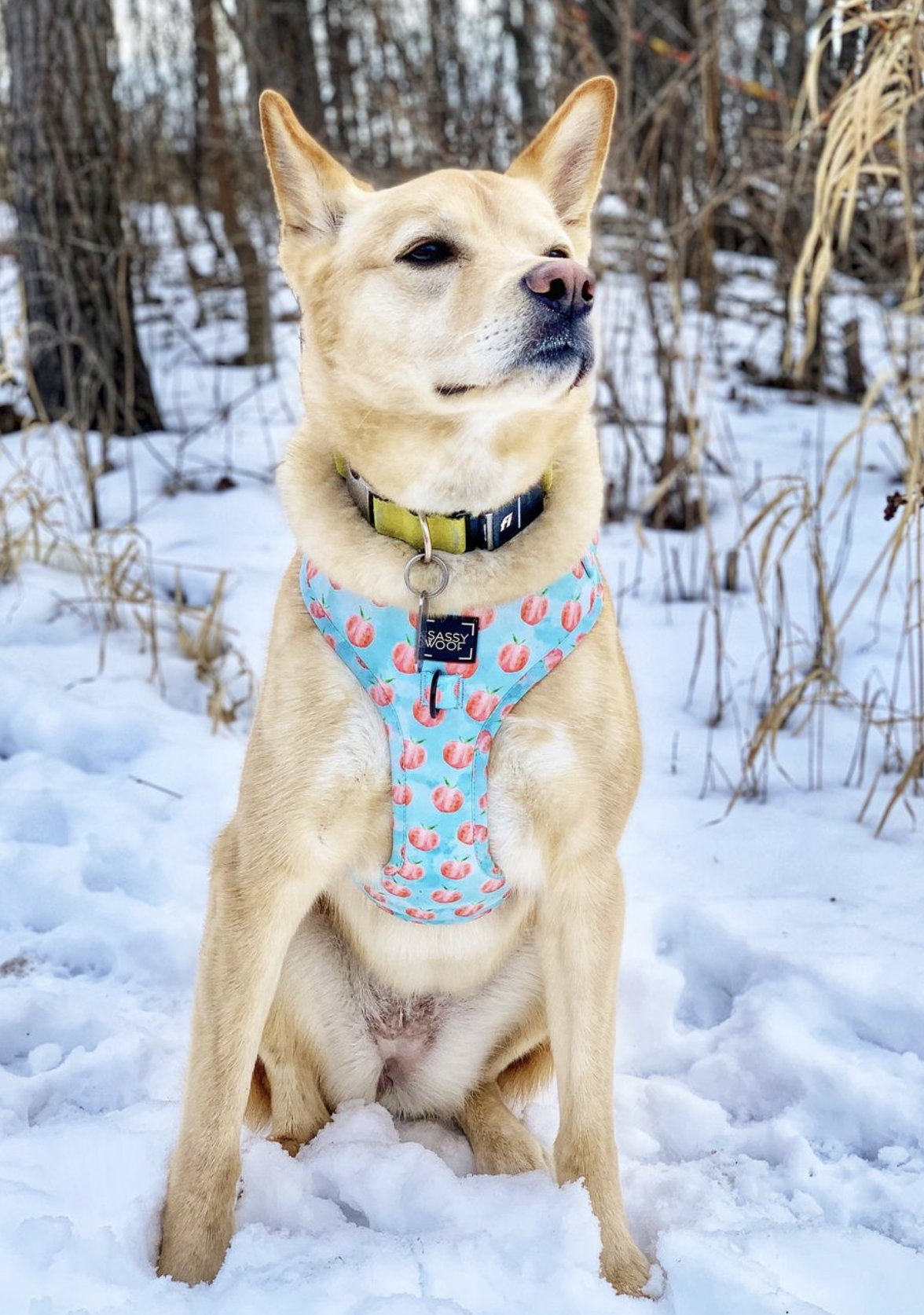
Dog of the Day: Jiya!
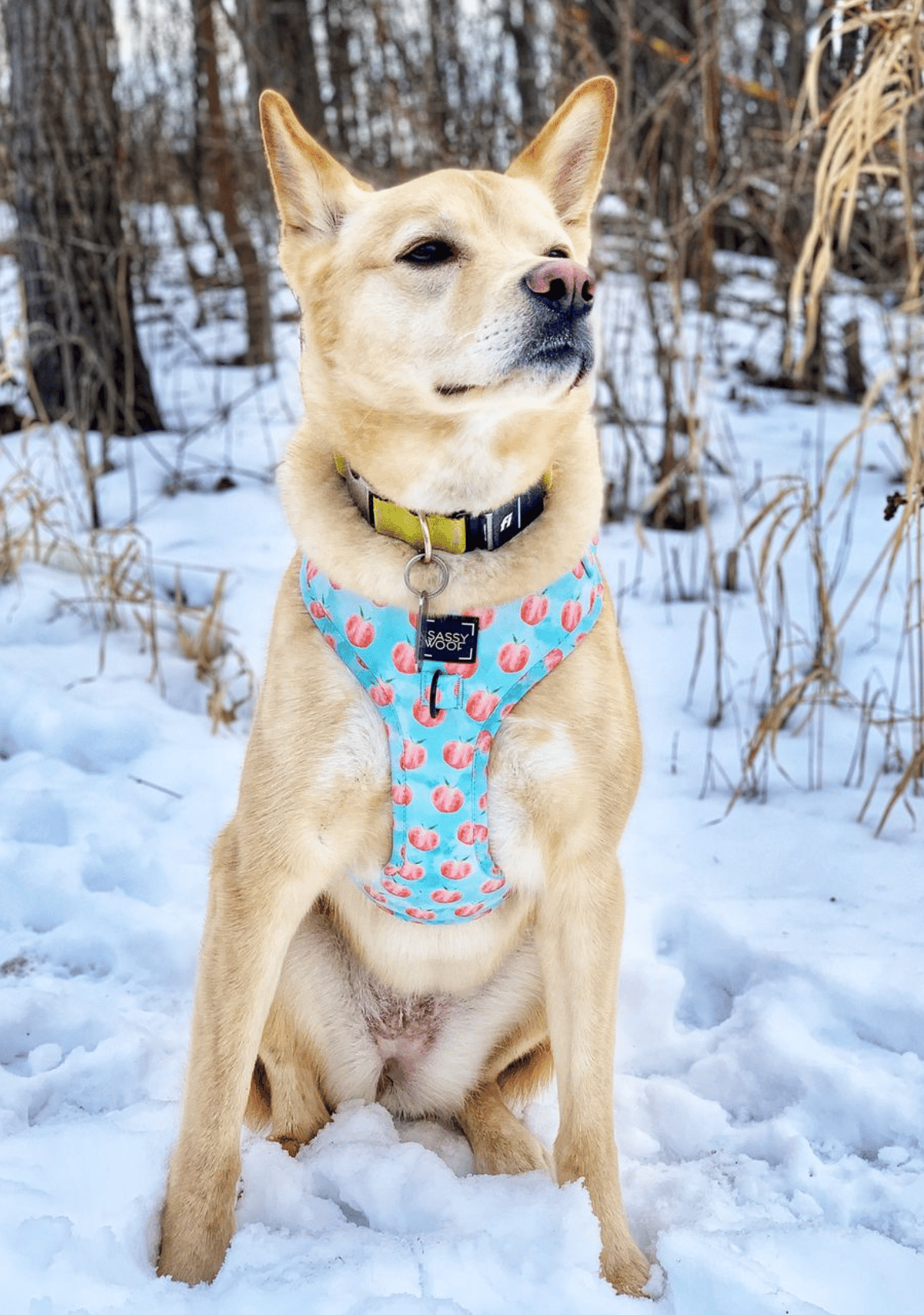
Meme of the day: It’s true!

What Are the Signs of a Happy Dog?
Dogs are known for their expressive nature, and as pet owners, we always want to ensure our furry friends are happy and content. But how do we know if a dog is truly happy? While tail wagging is a common sign, there are many other physical, behavioral, and emotional indicators of canine happiness.
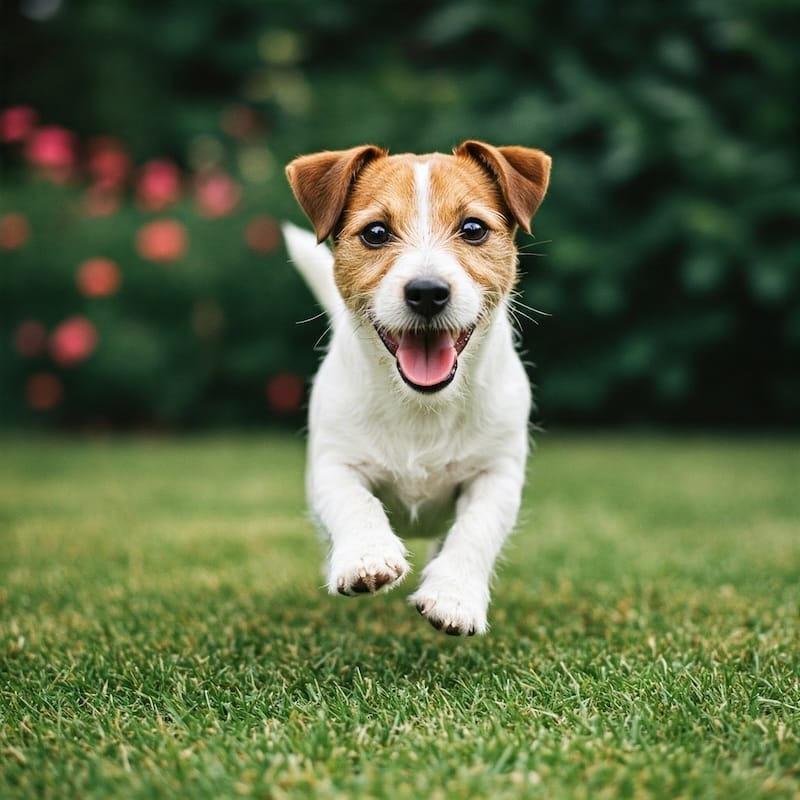
This article explores the key signs of a happy dog, supported by scientific research and expert insights.
A Relaxed and Loose Body Posture
A happy dog has a relaxed and loose body posture. Their ears, tail, and overall stance appear at ease rather than stiff or tense. According to Dr. Patricia McConnell, an animal behaviorist, a dog’s body language is a critical indicator of their emotional state (McConnell, 2002). Signs of relaxation include:
- A wagging tail with a natural sway (not rigid or tucked).
- Soft, relaxed ears (not pinned back or overly erect).
- A body that moves fluidly rather than being stiff.
A Wagging Tail (But Not Always!)
Tail wagging is often associated with happiness, but not all wags mean a dog is in a positive state. A happy dog’s tail typically wags in a loose, wide motion, sometimes accompanied by a “full-body wag.”
Research by the University of Bari in Italy found that dogs wag more to the right when experiencing positive emotions and to the left when feeling anxious or uncertain (Quaranta et al., 2007). If your dog’s tail is high and wagging in a relaxed manner, it’s a good sign they’re happy.
Playfulness and Excitement
Happy dogs enjoy playtime and will engage in activities like:
- Bringing you toys to initiate play.
- Performing a “play bow” (lowering their front legs while keeping their rear up).
- Engaging in zoomies—running around energetically in bursts of excitement.
Playfulness is a key indicator of a well-adjusted and happy dog, as studied by Horowitz (2009) in canine cognitive research.
Healthy Appetite and Enthusiastic Eating
A happy dog is usually eager for meals and treats. If a dog suddenly loses interest in food, it may indicate stress, illness, or emotional distress. According to the American Veterinary Medical Association (AVMA), a consistent, healthy appetite is a strong indicator of a dog’s well-being (AVMA, 2020).
Social Interaction and Affection
Dogs are social animals, and a happy dog will seek interaction with their favorite humans and pets. They may express affection by:
- Leaning against you.
- Following you around the house.
- Nudging you for attention.
- Giving you gentle licks or “kisses.”
Dogs also enjoy socializing with other dogs if they are well-socialized and comfortable in group settings.
Bright, Sparkling Eyes and Relaxed Facial Expression
A happy dog’s eyes appear bright, alert, and free of tension. Their mouth may be slightly open in what’s often described as a “doggy smile.” Research on canine facial expressions suggests that relaxed, open mouths and soft eyes are indicators of positive emotions (Kaminski et al., 2017).
Signs of an unhappy dog include:
- A tight mouth or excessive panting when not hot.
- Whale eye (showing the whites of their eyes, a sign of stress).
- Squinting or avoiding eye contact.
Sleeping Well and a Consistent Sleep Pattern
Dogs sleep an average of 12–14 hours per day, depending on their age and activity levels. A happy dog has a regular sleep routine and sleeps in relaxed positions, such as:
- Curling up comfortably.
- Sleeping on their side or back (exposing their belly is a sign of trust and relaxation).
- Stretching out without signs of restlessness.
Disrupted sleep, pacing, or excessive sleepiness can indicate stress or health issues, according to Landsberg et al. (2013).
Healthy Grooming and Body Care
A content and happy dog will engage in normal grooming behaviors, such as licking their paws or coat in a non-obsessive manner. If a dog starts excessive licking, scratching, or biting at themselves, it could be a sign of anxiety or discomfort.
Regular tail wagging, stretching, and rolling over for belly rubs also indicate a happy and secure pup.
Calm Behavior in Different Situations
A well-adjusted and happy dog will be comfortable in different environments, such as:
- Remaining calm during car rides or walks.
- Approaching new people or places with curiosity rather than fear.
- Responding positively to training and commands.
Dogs that show excessive fear, trembling, or avoidance may be experiencing stress or anxiety rather than happiness.
Expressing Themselves with Vocalizations
Happy dogs often express themselves with:
- Soft barks or playful growls during play.
- Excited whining when greeting their owners.
- Satisfied sighs when settling in for a nap.
While excessive barking or whining can be a sign of distress, moderate vocalization is part of a happy dog’s way of communicating.
Understanding the signs of a happy dog is essential for building a strong bond with your pet. By observing their body language, playfulness, appetite, and interactions, you can ensure they are living a joyful and fulfilling life. If your dog displays signs of stress, anxiety, or unusual behavior, it’s always best to consult a veterinarian or animal behaviorist to address any underlying issues.
References
- American Veterinary Medical Association (AVMA). (2020). "Understanding Your Pet’s Behavior."
- Horowitz, A. (2009). Inside of a Dog: What Dogs See, Smell, and Know. Scribner.
- Kaminski, J., Hynds, J., Morris, P., & Waller, B. (2017). "Facial Expressions in Dogs: Evidence for Emotion Recognition?" Scientific Reports, 7(1), 15563.
- Landsberg, G., Hunthausen, W., & Ackerman, L. (2013). Behavior Problems of the Dog and Cat. Elsevier Health Sciences.
- McConnell, P. (2002). The Other End of the Leash: Why We Do What We Do Around Dogs. Ballantine Books.
- Quaranta, A., Siniscalchi, M., & Vallortigara, G. (2007). "Asymmetric Tail-Wagging Responses by Dogs to Different Emotional Stimuli." Current Biology, 17(6), R199-R201.
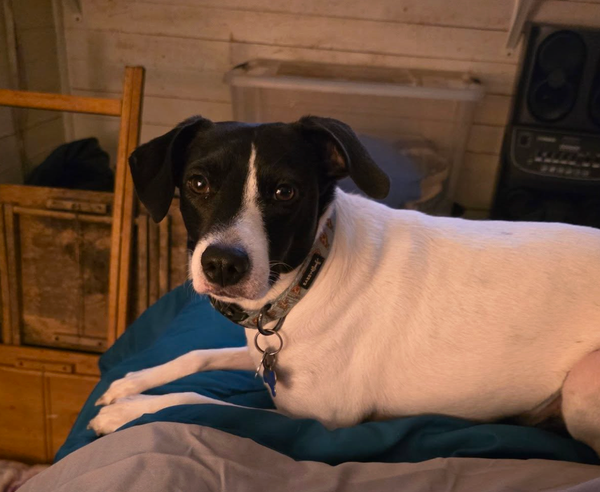
Family photo of the day: Romey

We want to feature your pup!
We want to share your pup with our pack. Email us your favorite doggy pic or video with your pup’s name, and we'll try to feature it as a family photo in one of our upcoming newsletters or on our Facebook page.
Share our newsletter with your friends!
We’ll donate on your behalf!
🐶 Refer 10 people: we will donate a box of treats to an animal rescue 🐶
🐕️ Refer 50 people: we will donate a bag of dog food to an animal rescue 🐕️
🛏️ Refer 100 people: we will donate a dog bed to an animal rescue 🛏️
You currently have 0 referrals, only 2 away from receiving Dog Safety Guide.
Sources:
Dog of the day: IG novascotiaducktollingretrieve
Meme of the day: IG worlds_okayest_dogs