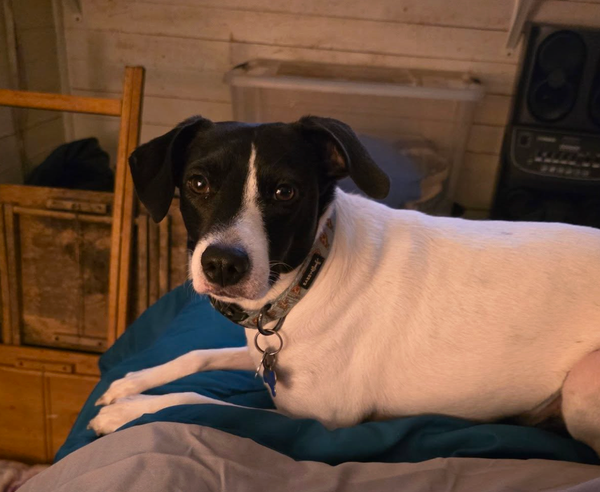
🐶❤️🐶 Why does my dog follow me everywhere? 🐶❤️🐶
Your daily dose of doggy goodness!
Every day, we celebrate our shared love of dogs and hopefully brighten your day. Enjoy!
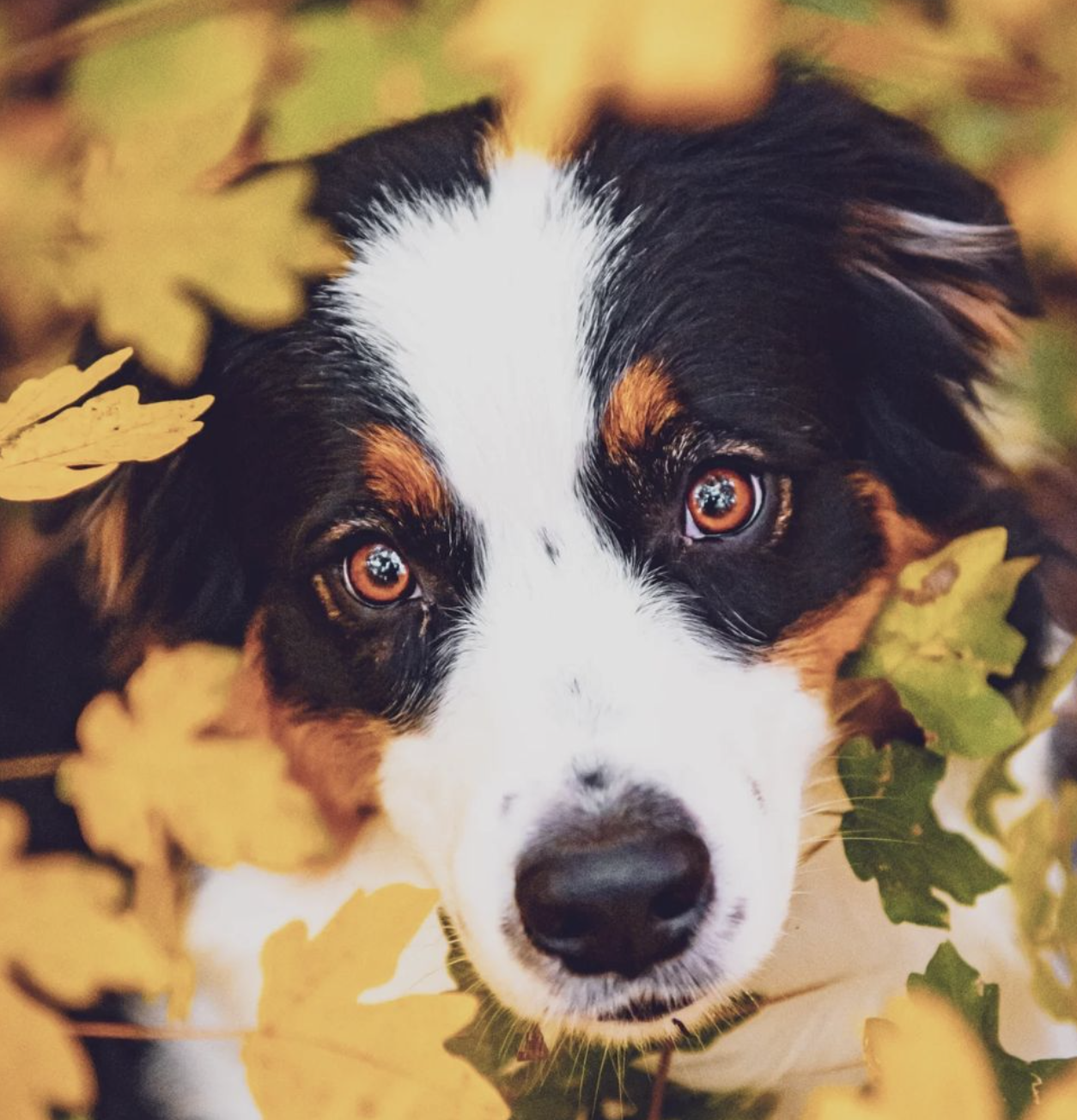
Dog of the Day: Bonnie!
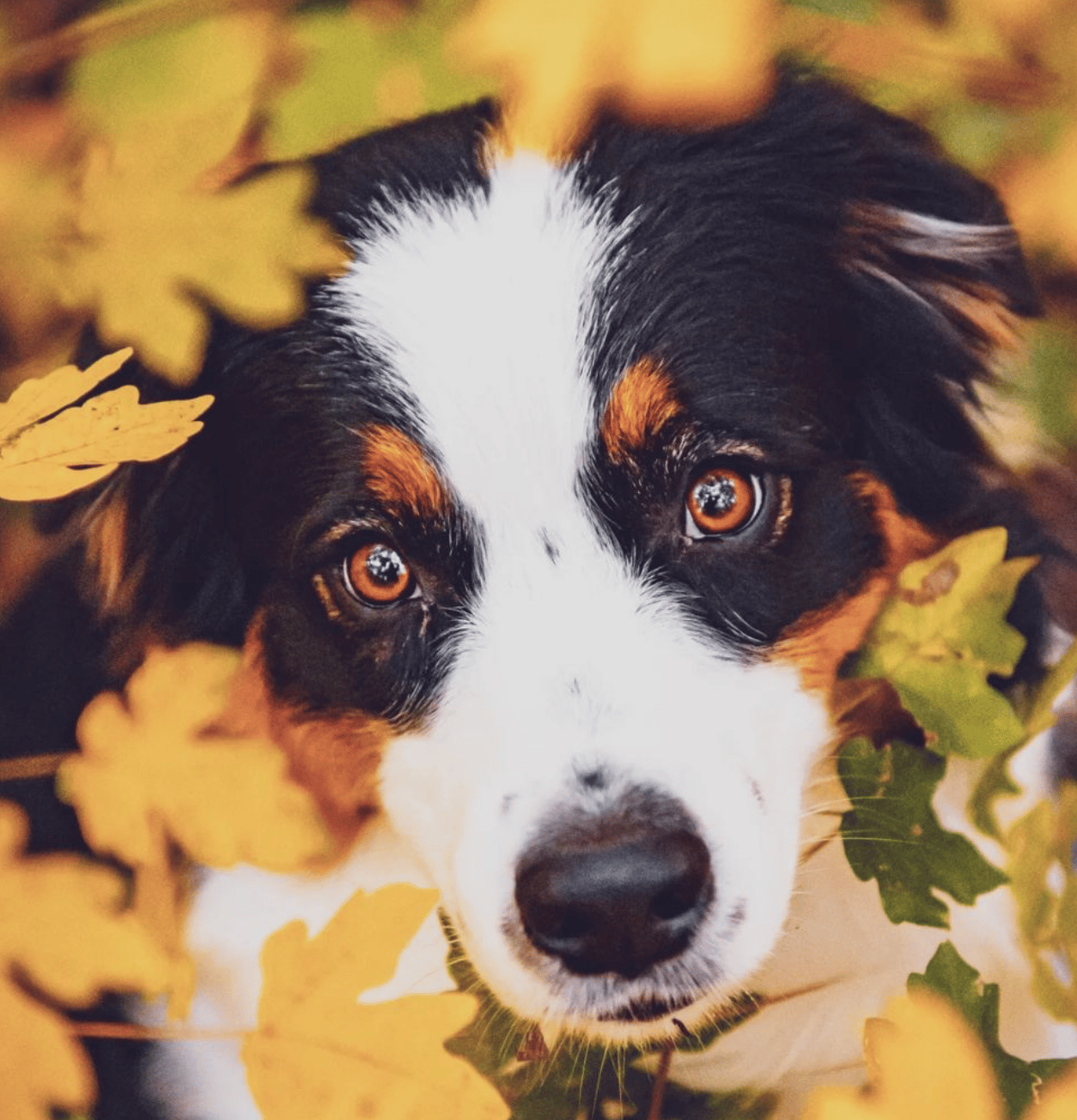
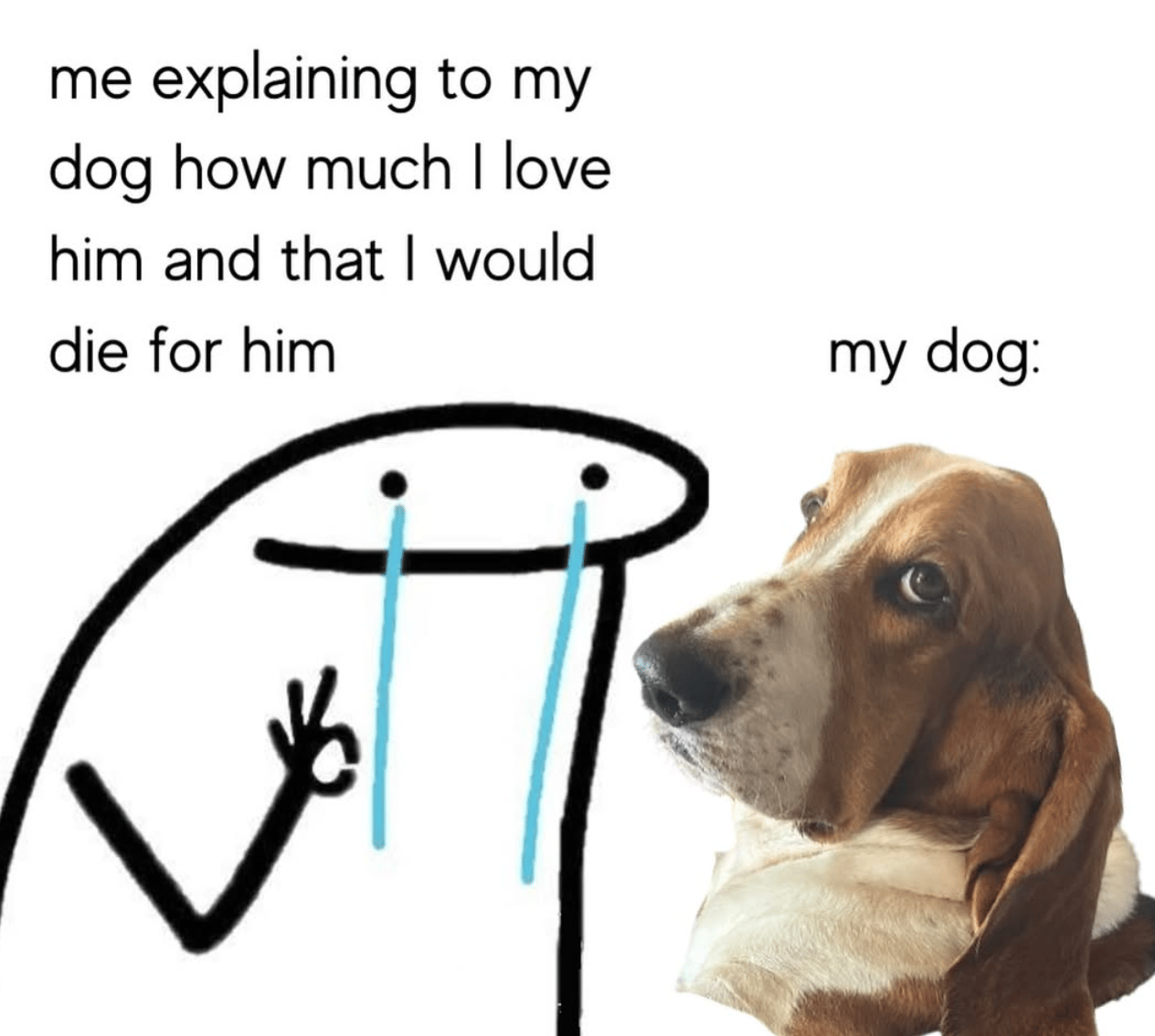
Meme of the day: We know how that goes!
Why Does My Dog Follow Me Everywhere?
If you’ve ever wondered, “Why does my dog follow me everywhere?” you’re not alone. Many dog owners experience this endearing but sometimes puzzling behavior. Dogs are naturally social animals with strong bonds to their human companions, which can lead them to follow their owners from room to room. This behavior can stem from various reasons, including pack instincts, attachment, curiosity, and even health concerns.

Pack Instincts and Social Bonding
Dogs are descendants of wolves, highly social animals living in packs. In the wild, members of a pack stick together for survival, cooperation, and companionship. According to Dr. John Paul Scott and Dr. John L. Fuller, authors of Genetics and the Social Behavior of the Dog (1965), domestic dogs retain many pack behaviors, including following their perceived "leader"—which, in this case, is often their human caregiver.
Dogs also experience attachment to their owners, similar to how human infants attach to their caregivers. A study published in Current Biology (2013) by Topál et al. found that dogs exhibit “secure base effects,” meaning they rely on their owners for security, much like a child depends on a parent.
Seeking Attention and Affection
Dogs thrive on human interaction. If your dog follows you everywhere, they may simply be seeking your attention and companionship. A study published in Applied Animal Behaviour Science (2012) by Nagasawa et al. suggests that when dogs make eye contact with their owners, oxytocin (the "love hormone") levels increase in both the dog and the human. This hormone reinforces bonding, leading your dog to want to be near you as much as possible.
Curiosity and Routine
Dogs are naturally curious creatures. They might want to investigate what you’re doing if they see you moving around the house. Additionally, dogs are creatures of habit and thrive on routine. If they associate you with food, walks, or playtime, they may follow you in anticipation of their next activity.
Separation Anxiety
While following you around is often a sign of affection, it can sometimes indicate separation anxiety. If your dog becomes distressed when you leave or shows destructive behaviors when alone, it might be overly dependent on your presence. A study by Bradshaw et al., published in The Veterinary Journal (2001), found that separation anxiety is common in dogs that have experienced changes in their living situations or have been rehomed.
Health Concerns
In some cases, excessive following can signal a health issue. If an older dog suddenly becomes more clingy, it could be due to cognitive dysfunction syndrome (CDS), which is similar to dementia in humans. A study by Landsberg et al., published in Frontiers in Veterinary Science (2018), discusses how senior dogs with CDS may exhibit changes in behavior, including increased attachment to their owners. If you notice any unusual behaviors, it's best to consult a veterinarian.
How to Manage Clingy Behavior
If your dog’s constant following becomes overwhelming, there are ways to encourage more independence:
- Provide Mental Stimulation: Interactive toys, puzzles, and training exercises can keep your dog engaged.
- Create a Safe Space: Designate a comfortable area where your dog can always relax without needing to be near you.
- Gradual Desensitization: Practice leaving the room for short periods and gradually increase the time apart. Reward calm behavior.
- Ensure Proper Exercise: A well-exercised dog is less likely to be overly clingy.
Dogs follow their owners for many reasons, from natural bonding instincts to seeking attention and comfort. While this behavior is often harmless, it's essential to recognize signs of separation anxiety or health issues. Understanding why your dog follows you everywhere can help strengthen your bond while ensuring your dog feels secure and happy.
References
- Bradshaw, J. W. S., McPherson, J. A., Casey, R. A., & Larter, I. S. (2001). Aetiology of separation-related behaviour in domestic dogs. The Veterinary Journal, 162(1), 43-56.
- Landsberg, G. M., Nichol, J., & Araujo, J. A. (2018). Cognitive dysfunction syndrome: A disease of canine and feline brain aging. Frontiers in Veterinary Science, 5, 14.
- Nagasawa, M., Mitsui, S., En, S., Ohtani, N., Ohta, M., Sakuma, Y., … & Kikusui, T. (2012). Social evolution: Oxytocin-gaze positive loop and the coevolution of human-dog bonds. Science, 348(6232), 333-336.
- Scott, J. P., & Fuller, J. L. (1965). Genetics and the Social Behavior of the Dog. University of Chicago Press.
- Topál, J., Miklósi, Á., Csányi, V., & Dóka, A. (2013). Attachment behavior in dogs (Canis familiaris): A new application of Ainsworth's (1969) Strange Situation Test. Current Biology, 13(4), 763-766.
Family photo of the day: General Eisenhower
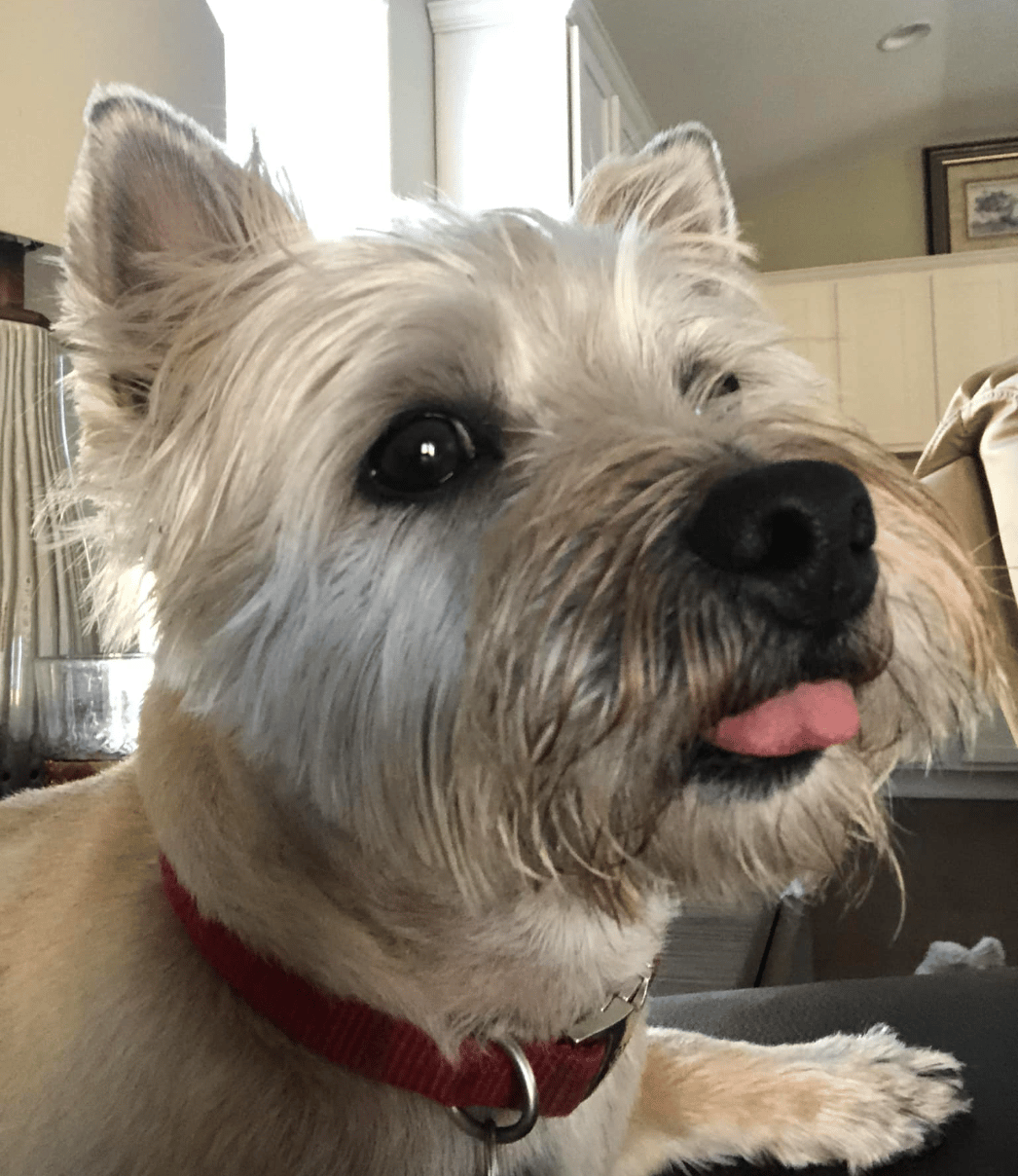
We want to feature your pup!
We want to share your pup with our pack. Email us your favorite doggy pic or video with your pup’s name, and we'll try to feature it as a family photo in one of our upcoming newsletters or on our Facebook page.
Share our newsletter with your friends!
We’ll donate on your behalf!
🐶 Refer 10 people: we will donate a box of treats to an animal rescue 🐶
🐕️ Refer 50 people: we will donate a bag of dog food to an animal rescue 🐕️
🛏️ Refer 100 people: we will donate a dog bed to an animal rescue 🛏️
You currently have 0 referrals, only 2 away from receiving Dog Safety Guide.
Sources:
Dog of the day: IG bonnie.lighthouseaussie
Meme of the day: IG basset_ruckus