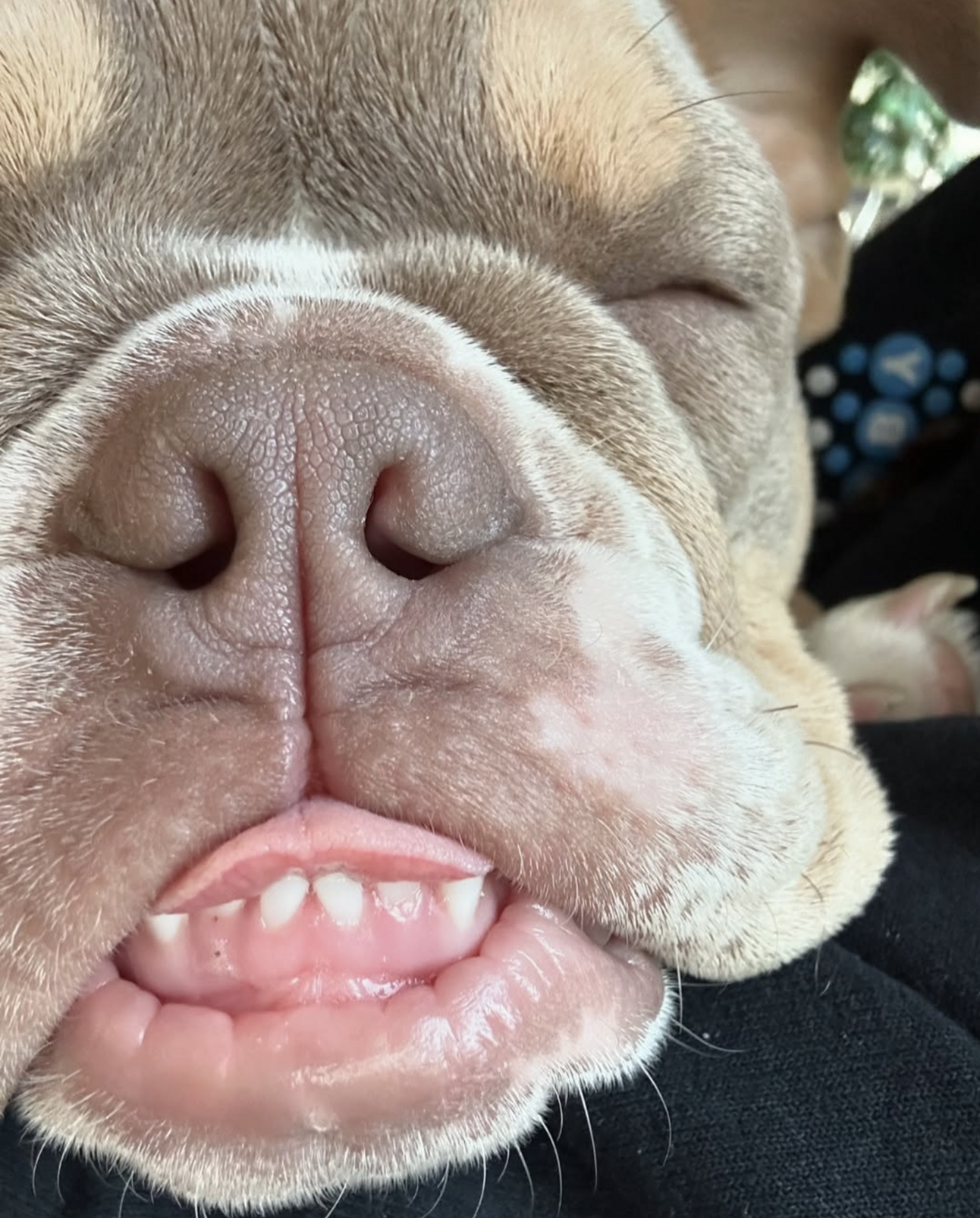
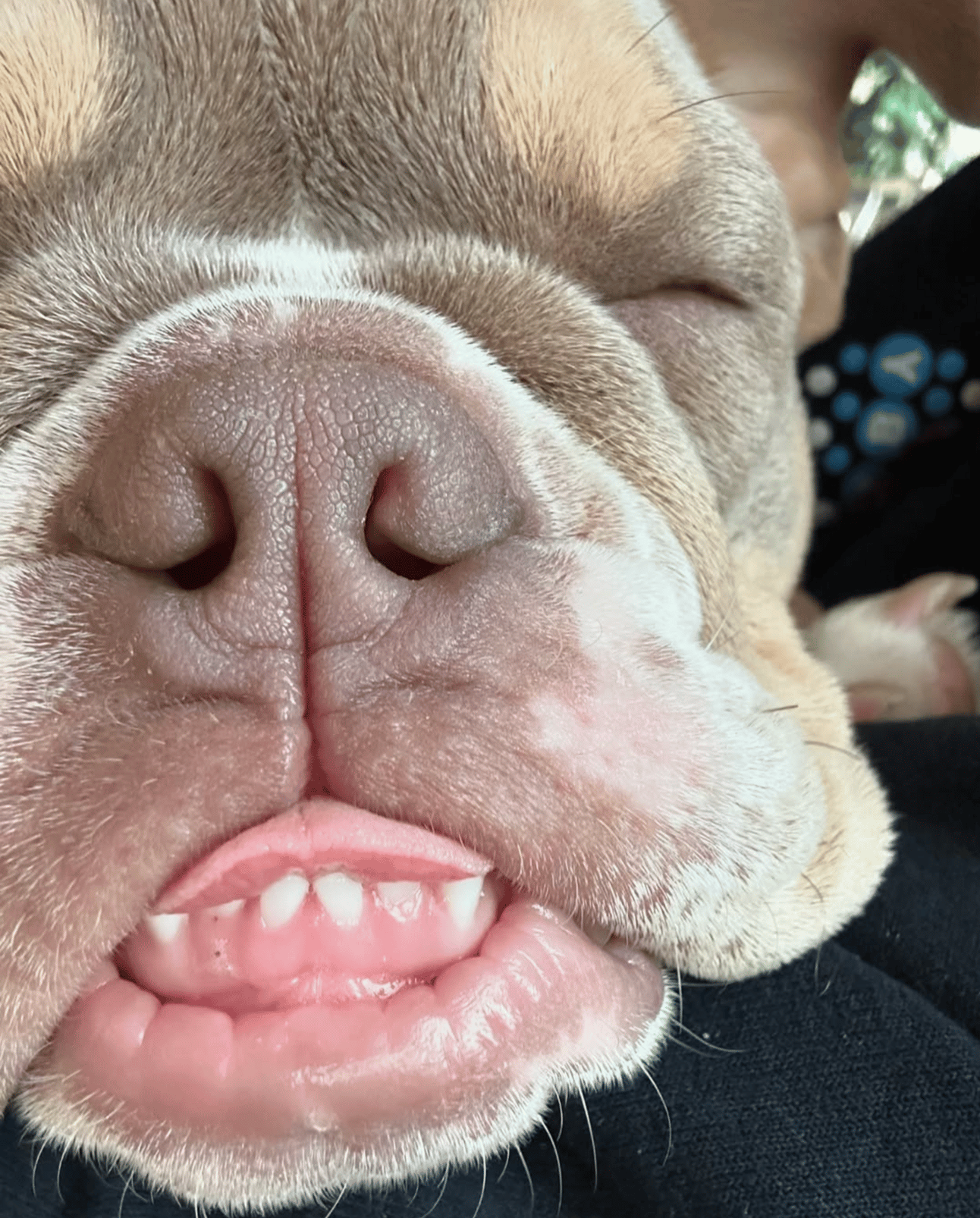
🐶❤️🐶 You're going to love Ruby, so sweet and sleepy! 🐶❤️🐶
Here are some dog photos to brighten your day 😊.
Here’s your daily dose of doggy goodness!
Every day, we celebrate our shared love of dogs and hopefully brighten your day. Enjoy!
Dog of the Day: Ruby!
Meme of the day:

| You May Like | ||||||||||||||||||
Subscribe to our sister newsletter!
|

The Unsavory Habit: Why Dogs Eat Poop
Coprophagia, the technical term for eating feces, is a surprisingly common behavior in dogs, though understandably repulsive to their human companions.1 While the exact reasons behind this behavior are still being researched, several factors can contribute to it.
Instinct and Survival:
Dogs are scavengers by nature, and their wild ancestors often consumed feces as a means of survival when food was scarce.2 This instinctual behavior may persist in some domesticated dogs, leading them to eat their own poop or the feces of other animals.3
Dietary Deficiencies:
In some cases, dogs may eat poop to compensate for nutritional deficiencies in their diet.4 If their food lacks essential nutrients, they may instinctively seek them out in feces, which can contain undigested food particles and beneficial bacteria.5
Medical Conditions:
Certain medical conditions, such as gastrointestinal disorders, parasites, or malabsorption syndromes, can cause dogs to eat poop.6 These conditions can interfere with nutrient absorption, leading dogs to seek out nutrients in their feces.7 If your dog suddenly starts eating poop, it's crucial to consult a veterinarian to rule out any underlying health issues.8
Behavioral Factors:
Behavioral factors, such as anxiety, stress, or attention-seeking, can also contribute to coprophagia.9 Dogs experiencing anxiety or stress may engage in this behavior as a coping mechanism.10 Additionally, if a dog receives attention from their owner when they eat poop, even if it's negative attention, they may continue the behavior to elicit a reaction.11
Environmental Factors:
Environmental factors, such as living in overcrowded or unsanitary conditions, can also increase the likelihood of coprophagia.12 Dogs may eat poop to clean up their environment or to prevent the spread of disease.
How to Address Coprophagia:
- Provide a balanced diet: Ensure your dog is receiving a complete and balanced diet that meets their nutritional needs.
- Environmental management: Keep your dog's living area clean and free of feces.
- Behavioral training: Teach your dog commands like "leave it" and provide positive reinforcement for appropriate behaviors.
- Consult a veterinarian: If you suspect an underlying medical condition or behavioral issue, seek professional guidance from a veterinarian or certified animal behaviorist.
While coprophagia is a common behavior in dogs, it's not always a cause for concern. However, if you're worried about your dog's health or behavior, it's always best to seek professional advice.
References:
- Overall, K. L. (2013). Manual of clinical behavioral medicine for dogs and cats. Elsevier Health Sciences.
- Landsberg, G. M., Hunthausen, W., & Ackerman, L. (2013). Behavior problems of the dog and cat. Elsevier Health Sciences.
- Horwitz, D. F., & Mills, D. S. (2009). BSAVA manual of canine and feline behavioural medicine. BSAVA Library.
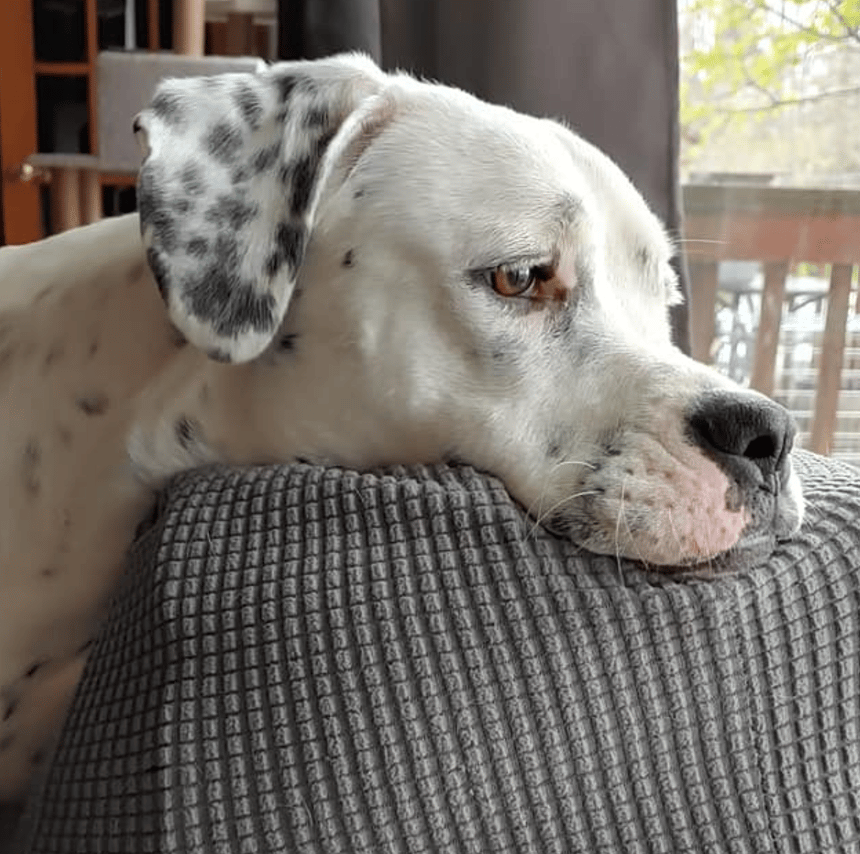
Family photo of the day: Meka!
We want to feature your pup!
We want to share your pup with our pack. Email us your favorite doggy pic or video with your pup’s name, and we'll try to feature it as a family photo in one of our upcoming newsletters or on our Facebook page.
Share our newsletter with your friends!
We’ll donate on your behalf!
🐶 Refer 10 people: we will donate a box of treats to an animal rescue 🐶
🐕️ Refer 50 people: we will donate a bag of dog food to an animal rescue 🐕️
🛏️ Refer 100 people: we will donate a dog bed to an animal rescue 🛏️
You currently have 0 referrals, only 2 away from receiving Dog Safety Guide.
| You May Like | ||||||||||||||||||
Sources:
Dog of the day: IG lovefromrubythebulldog
Meme of the day: IG scottishstantheman